
14 August 2026
Two Roofers, Two Prices, £600 Apart. What Actually Changed?
You described the same fault to both of them and got wildly different numbers. Here is what sits behind the gap on a Southport roof, and how to tell a keen price from a thin one.
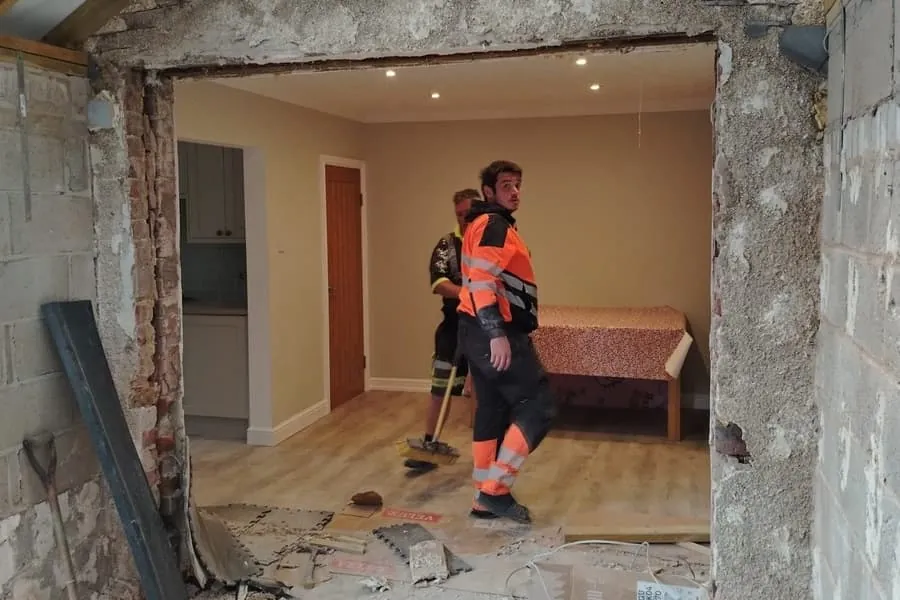
Two roofers looked at the same damp patch on the same landing ceiling. You gave them the same description. One came back with £280, the other with £890.
That gap is the single most common thing people ring us about, and the assumption behind the call is nearly always the same: one of them must be trying it on. Sometimes that is true. Far more often, the two of them have quoted for genuinely different pieces of work, described using identical words.
Most single-fault repairs around Southport land somewhere between £150 and £900, and that range is wide for real reasons rather than as a hedge. A slipped slate you could nearly reach from a ladder sits at one end. Re-leading a valley three storeys up a Birkdale villa sits at the other. Both get called “a roof repair” on a scrap of paper. Here is what actually moves the number.
What the figure on the page is really buying
Four things set the price. How long somebody is up there. How they get up there safely. What materials go into it. And what they have set aside for whatever turns up once the covering comes off. Move any one of those and the total shifts by hundreds.
Most quotes bury all four in a single line. “Repair leak to rear elevation - £340.” Which tells you precisely nothing about what has been priced, and makes comparing two of them a waste of an afternoon. Our roof repair cost guide sets out the ranges we work to, though ranges only help once you know what is inside them.
Ask any roofer to break those four elements out separately and the vague quotes fall apart immediately. The good ones will already have done it.
Access is the biggest single variable
This is the one that catches people out most, because from the ground the job looks identical either way.
The same repair costs one thing when somebody can do it off a ladder in an afternoon, and something else entirely once a tower or a full scaffold has to go up first. Scaffold is not a margin being hidden in your bill. It is hire cost, erection, dismantling and a genuine legal duty, since working at height is the biggest single cause of death in construction according to the Health and Safety Executive’s guidance on roof work.
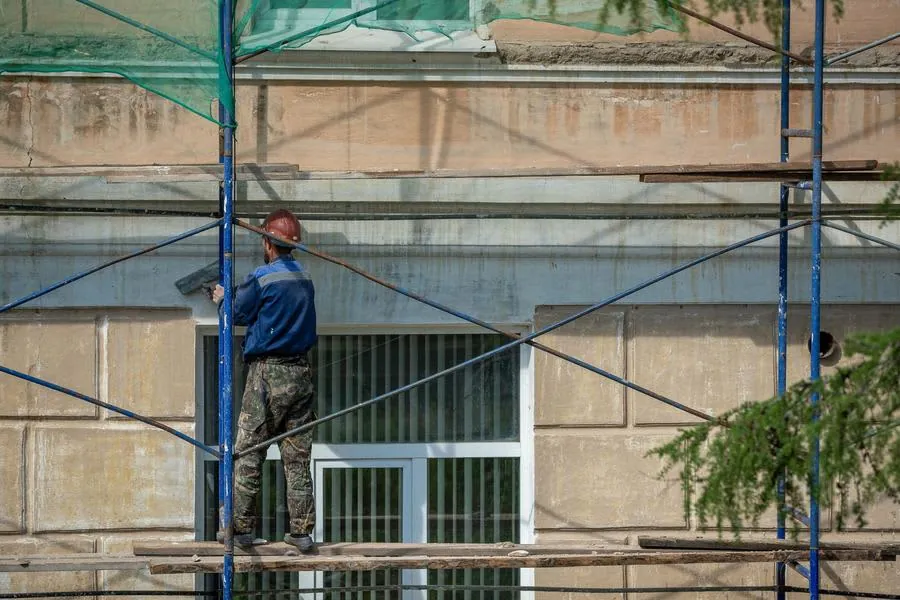
Southport sharpens this more than most towns, because the housing stock is so mixed. A shallow bungalow roof in Ainsdale and a three-storey Victorian villa off Weld Road are both just “a house” to a search engine. To somebody carrying a bundle of slate up a ladder they are not remotely the same job. Anyone pricing the villa with no access line has either not walked round the back yet, or is planning something you would rather they did not.
Lead is where a keen price gets quietly thinned
Lead is expensive.
It is also the right material at every junction on a roof - where a chimney comes through, where two slopes meet in a valley, where a lower roof runs into a wall. There is no clever substitute, only cheaper things that look similar for a while.
Because it costs money and because it is invisible from the pavement once fitted, it is the first thing trimmed out of a competitive number. The substitute is usually mortar, or a bead of sealant, and both look perfectly convincing on the day. A mortar fillet along a chimney abutment cracks in its first or second winter, which is roughly when the roofer who fitted it becomes hard to reach.
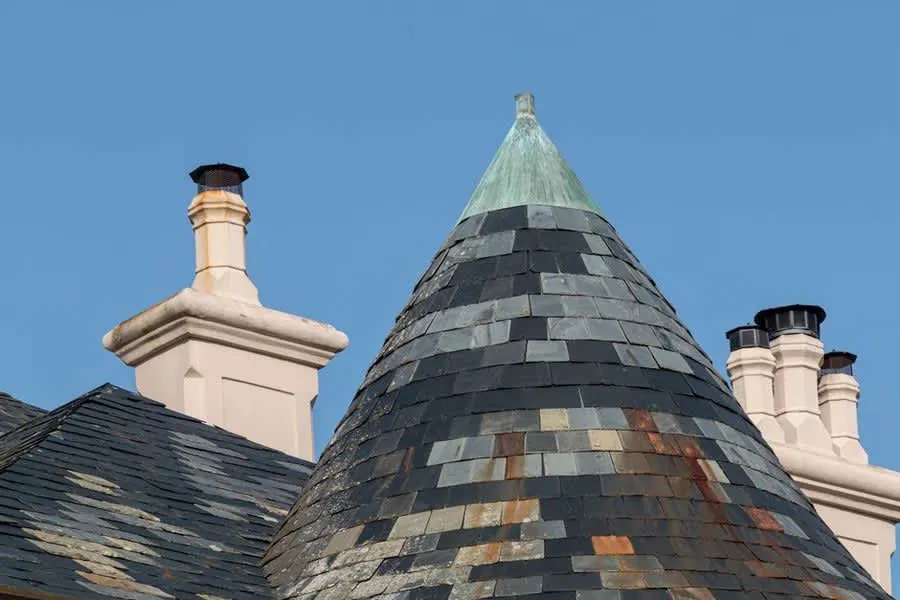
The question to ask is blunt and it works: what code lead is going in, and at which junctions? Code 4 is the normal answer for domestic flashings. A roofer who answers immediately has priced it. One who says the flashing will be “resealed” has told you, without meaning to, that no lead is involved at all.
The coastal line nobody reads
Here is a variable specific to this stretch of coast, and it is skipped on quotes constantly.
Salt does almost nothing to slate or clay. It is merciless on iron and steel. It also carries much further inland than people assume, and anywhere close to the front it chews through nails, screws, brackets and bare metalwork years quicker than the same components would last at Ormskirk or Burscough. That is why roofs in Birkdale, Ainsdale and along the front reach nail fatigue at ages that look premature to anyone used to working inland, and it is covered in more detail in our guide to whether a roof needs replacing or mending.
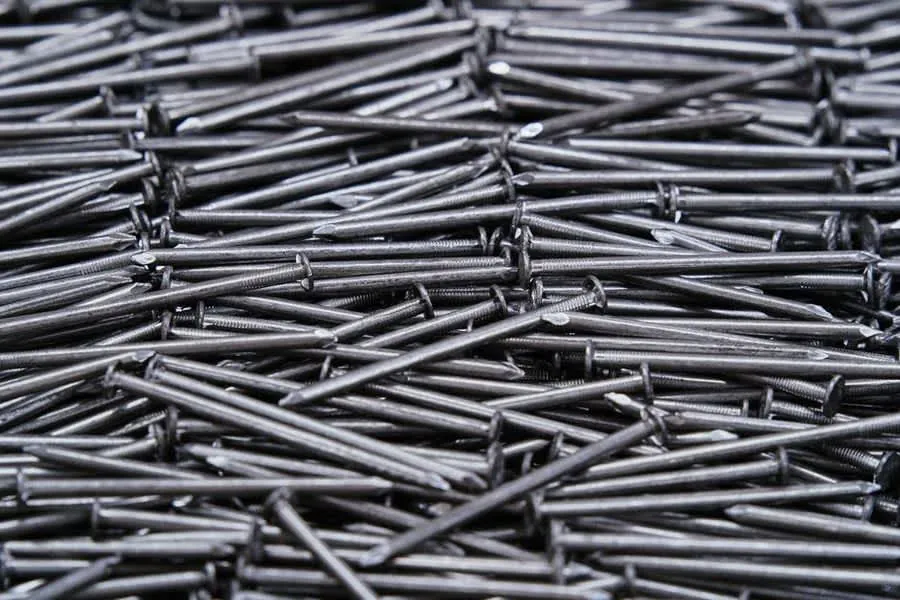
Corrosion-resistant fixings cost more per box and the difference on a whole roof is not trivial. They are also the difference between a covering lasting its full span here and failing a decade early while the slate itself is still perfect. If a quote does not mention fixings, ask. The answer tells you whether the person has thought about where your house actually is.
Nobody knows what is under the covering until it is off
Every honest roofer prices some uncertainty, because a roof is opaque until it is opened.
What turns up regularly is localised rot: a batten gone soft, a valley board that has given way, rafter ends that have been fed by a leaking gutter for years. None of it is visible beforehand. The difference between quotes is often just whether the roofer has been upfront that this exists.
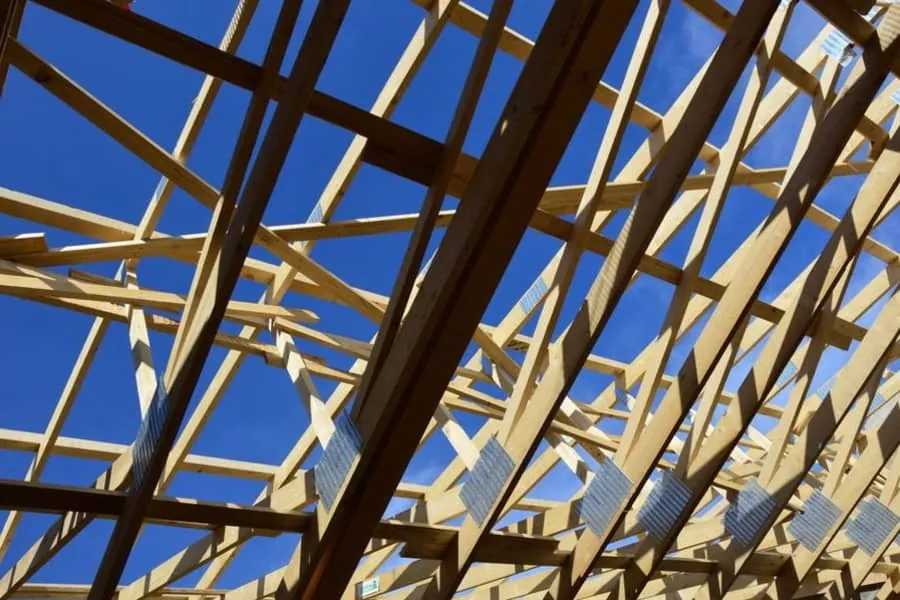
There are two decent ways to handle it and one bad one. Decent: a stated allowance in the quote, or a clear rate for extra timber work agreed before anybody starts. Bad: silence, followed by a phone call halfway through the job explaining that it is worse than expected and will now cost considerably more. The cheapest quote is frequently the one that has simply not mentioned the possibility.
What a fair variation looks like
Work stops. You get shown the problem, ideally photographed. You agree the extra before anything else happens. Nobody discovers a larger bill at the end, and nothing gets done that you have not said yes to.
Sometimes the cheap quote is for a different job entirely
This is worth separating out from everything above, because it is not really about price at all.
A leak has a cause and a symptom, and they are frequently in different places. Water enters through a gap, lands on a rafter or the back of the membrane, and travels before it drops, so the stain on your ceiling can sit a long way from the fault. A roofer who goes up, mends whatever looks worst directly above the mark and comes down has quoted for a repair to a piece of roof that was not broken.

That quote is genuinely cheaper. It also will not fix your leak, and in six weeks you will be paying somebody else. Cost per repair is the wrong number to be comparing. Cost per problem actually solved is the one that counts, and on a leak that has already beaten one firm the difference between those two figures gets very large indeed.
Four questions that turn a vague quote specific
None of these need any roofing knowledge. Ask them of every quote you are holding and the differences stop being mysterious.
Start with the loft. If there is an accessible hatch and nobody went through it, the diagnosis is a guess, because the evidence for where water is getting in lives on the inside of a roof rather than the outside.
Then ask what has actually failed. You want a named fault, something you could repeat to your partner over tea. Cracked leadwork at a fold. An open joint where the pointing has gone. A corroded fixing. “It needs sealing” names no fault whatsoever - it only tells you what somebody plans to do next.
Ask whether access sits on its own line, not because scaffold is suspicious but because it is the only way to see which part of the total is work and which part is simply reaching the work. And ask about the guarantee. It should exist, it should be on paper, and requesting a copy should cause no shuffling of feet at all. Trade body membership is worth two minutes as well - both the National Federation of Roofing Contractors and the government-endorsed TrustMark scheme let you check a firm independently, in about the time it takes the kettle to boil.

One last thing on deposits. For everyday repair work you should not be paying anything up front. Where a big job means ordering materials specifically for your house, a materials deposit is standard and reasonable. A demand for a big cash sum before anybody lifts a ladder is not, and it matters more if that person knocked on your door rather than being someone you chose to ring. Agreements reached at home come with cancellation rights, typically fourteen days, under UK consumer protection rules. Any trader failing to put that in front of you in writing has broken the rules before the job starts.
So which quote do you take?
Not automatically the lowest. Not automatically the highest either. Take the one where you can actually see what you are buying.
Lay them side by side and compare the work described rather than the figures at the bottom. Where one comes in hundreds cheaper, hunt for the line the others carry that it does not. There is nearly always exactly one, and it is usually scaffold, lead, or an honest sentence about what might be waiting underneath.
If everything matches and one firm is still cheaper, that is a genuinely keen price and you should take it.
Get a free roof survey and a fixed written quote in Southport
Frequently Asked Questions
Why do roofing quotes vary so much for the same job?
Because the quotes are usually not for the same job. The largest variables are access, leadwork and what each roofer has allowed for underneath the covering. A price assuming ladder access with no lead and no timber repairs will always beat one that includes scaffold, new code 4 lead and an allowance for perished battens, even though both describe the fault in the same words.
Should I always take the cheapest roofing quote?
Not without asking what is different. In our experience a dramatically lower price usually means one of four things: no scaffold where scaffold is needed, sealant standing in for lead, nothing set aside for what is under the covering, or a repair aimed at the symptom instead of the cause. None of those save money, they postpone it.
How much of a roof repair quote is scaffolding?
On smaller repairs often nothing at all, because a great deal of work can be done safely from a ladder or a tower. Where a roof genuinely needs scaffold it can run to several hundred pounds. On the three-storey villa frontages around Birkdale Park and the Promenade it is unavoidable, and any quote for that kind of property without an access line has left something out.
What are coastal-grade fixings and do I need them in Southport?
They are nails, screws and clips specified to resist salt corrosion. Salt barely affects slate or tile but attacks iron and steel continuously, so within a mile or two of the sea standard fixings fail years earlier than the covering they hold. On roofs in Birkdale, Ainsdale and along the front it is one of the most consequential lines on a quote and one of the easiest to downgrade quietly.
Should I pay a roofing deposit up front?
Not for ordinary repair work. Where a large job means ordering materials specifically for your house, a materials deposit is normal across the trade. What should never happen is a request for a large cash sum before work starts, particularly from somebody who arrived at your door uninvited.
Free Roof Survey & Quote
Free roof survey and a fixed written quote, anywhere across Southport, Sefton and West Lancashire.