
27 September 2026
Losing Tiles Every Winter In Southport? Wind Uplift, BS 5534 And Why Your Roof Needs More Clips Than It Has
Why field tiles and slates lift off a sound Southport roof, what BS 5534 changed about fixing specifications, and what a re-fix actually costs.

Three or four tiles come off a Southport roof in a February blow, somebody puts them back, and the following February another three or four go. Nobody treats it as a problem because the roof looks completely sound between times. No sagging, no damp, no daylight in the loft. It just sheds a bit, the way the trees do.
That pattern is not weather. It is arithmetic. Wind loading on a British roof is worked out from the site, and the Sefton coast scores high on almost every input that goes into the sum: prevailing wind straight off open water, no upwind town to slow it, flat ground the whole way in from the shore. Most of the roofs here were fixed to a specification written before the calculation was tightened up in 2014, which means the number of nails and clips holding your covering down was probably decided by habit rather than by any figure. So: what is pulling them off, and what stops it.
A roof that passes every look and still loses slates
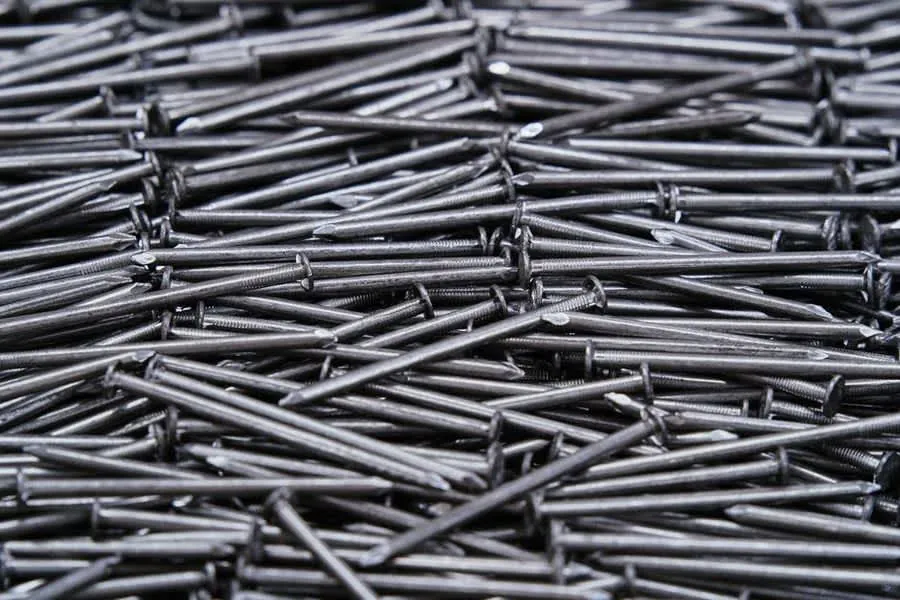
The reason an under-fixed roof looks fine is that fixing has nothing to do with the things homeowners check. A tile can be sound, correctly lapped, sitting dead flat and perfectly weathertight while being held down by nothing but its own weight and the tile above it. That was standard practice for decades on interlocking concrete tile: nail the perimeter courses, clip the verges, and leave the middle of the slope to gravity. On a sheltered inland roof that logic mostly holds. On a slope facing the Irish Sea it does not.
Slate fails the same way for a different reason. Every slate is nailed, but the nails corrode, and this coast eats them. Once the head of a nail has gone, the slate is being held by friction and the slate below it, and the first proper gust peels it away. That is why a Victorian roof in Birkdale can lose slates from the middle of the slope with no obvious cause, years after somebody last touched it.
Neither fault shows up until the wind finds it. A roof does not tell you it is under-fixed. It tells you once a year, in pieces, on the drive. Where the pattern has been running a decade the answer is usually a full roof replacement rather than another round of patching, because by then the fixings, the battens and the underlay are all the same age and all past it.
Wind does not push tiles off. It sucks them off
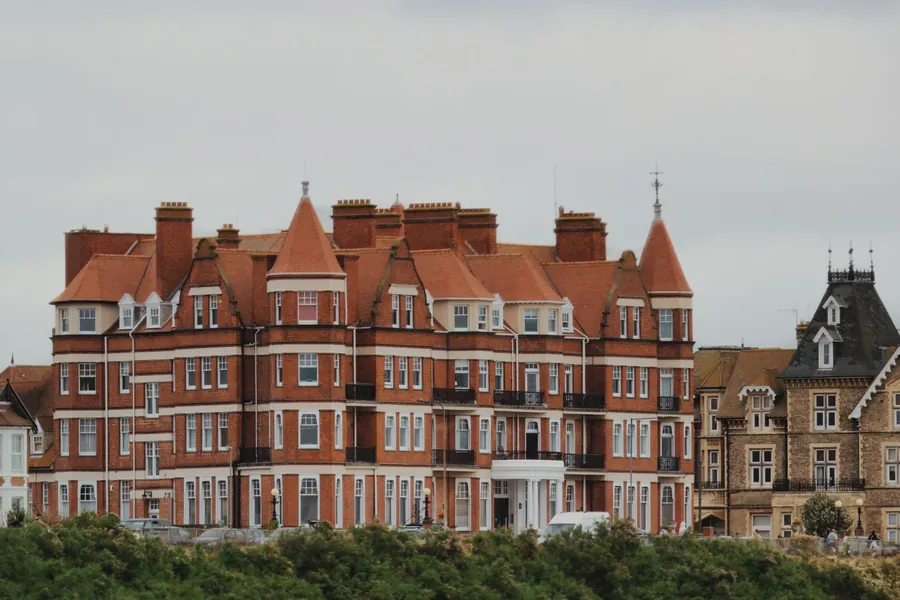
Almost everybody pictures wind damage as a shove: air hits the roof, tiles go over the back. That is not the mechanism. It is also why the damage keeps turning up where nobody expects it.
Air moving over a pitched roof behaves like air over an aeroplane wing. It accelerates as it goes over the slope and the ridge, and accelerating air drops in pressure. The result is negative pressure - suction - pulling the covering up and away from the battens. The strongest suction sits where the airflow separates from the building: along the eaves, up the gable edges, and on the far side of the ridge from the wind. That last one catches people out constantly. The slope taking the damage is regularly the sheltered one, because the air tumbling over the ridge creates a low-pressure pocket on the leeward face.
It is also not a steady load. Gusts do the damage, and the Met Office explanation of how wind and gusts are measured is worth ten minutes if you want to understand why an average wind speed tells you almost nothing about what a roof experienced. A tile only has to lift a few millimetres, repeatedly, for the nail hole to widen and the interlock to lose its grip. Half the tiles that come off in a gale were already loose from the twenty gales before it.
Why the Southport slope is a harder site than the postcode suggests
Wind loading calculations take account of how rough the ground is upwind of a building, because obstructions slow the air down. A house in the middle of a city sits under air that has already been dragged across several miles of other buildings. A house at Ainsdale has air that has crossed the Irish Sea, then a beach, then a dune belt with nothing on it taller than marram grass.
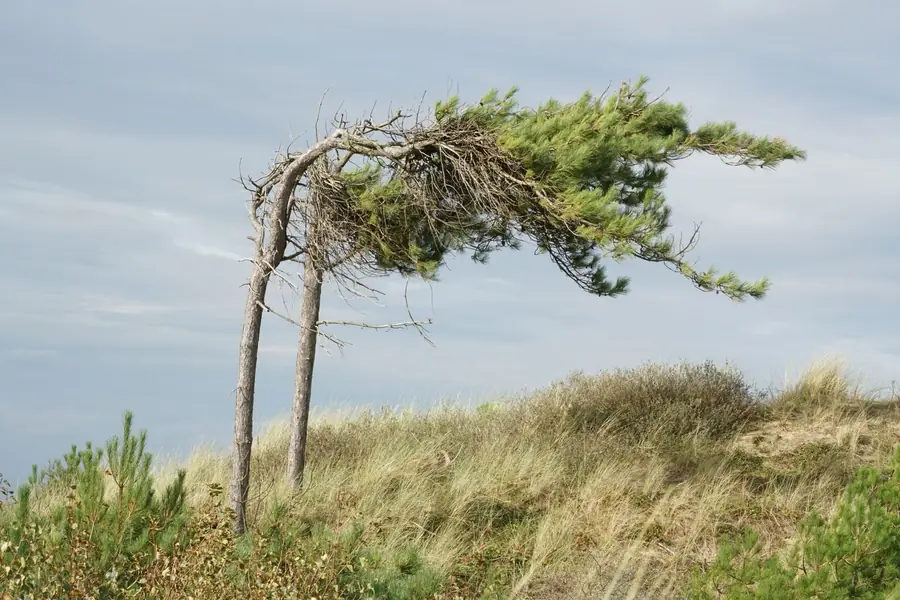
The pines planted on the Formby and Ainsdale dunes make the point better than any figure. They grow permanently combed over to the east, because the prevailing south-westerly is relentless enough to shape living timber. The Ribble estuary opens the northern quadrant as well, so properties at Marshside and Crossens facing the marsh get an exposed fetch from a second direction - which is why damage there does not always come from the side you would guess.
Then there is the sand. That one is a Southport problem rather than a general coastal one. Blown sand is abrasive and it is constantly moving across roofs in the seaward streets, scouring mortar bedding until the bond is grit rather than cement and working at exposed nail heads until what is left is a stub. Salt corrodes from the inside, sand grinds from the outside, and between them a fixing that would have lasted sixty years in Ormskirk is done in twenty-five.
2014: the year fixing stopped being a rule of thumb
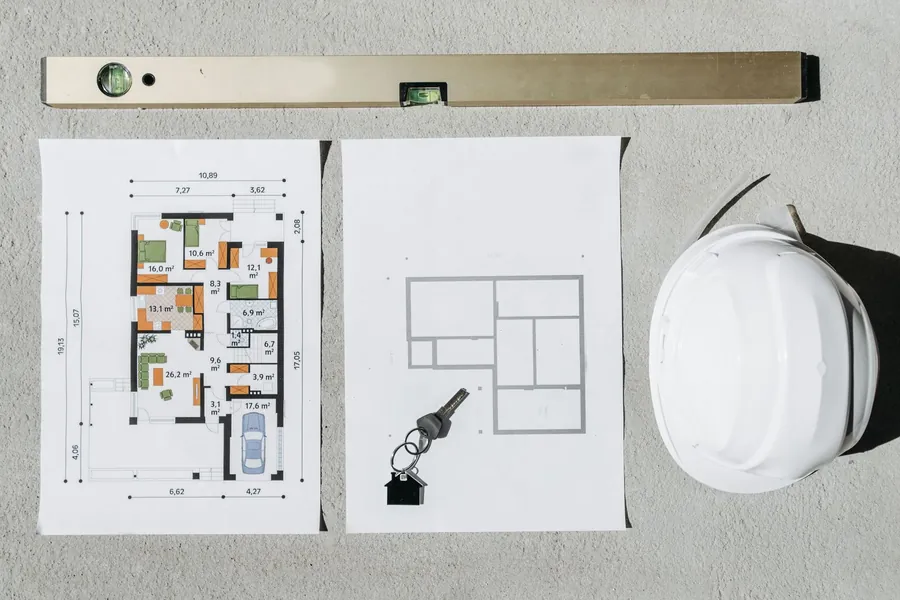
The British code of practice for slating and tiling, BS 5534, published by BSI, was substantially rewritten in 2014 and amended again since. The headline change most people have heard about concerns mortar. The change that matters far more to the middle of your roof is that the wind uplift calculation was brought into line with the European wind loading code, and the resulting figures went up.
A fixing specification is now a calculation rather than a convention. The inputs are the basic wind speed for the location, how high the site sits, how rough the ground is upwind, how far you are from the sea, the height and shape of the building, the pitch, and the weight and geometry of the covering itself.
Out of the other end comes a number of fixings per tile or slate. It varies by zone, because the code treats the perimeter of a roof as a separate and more demanding area than the middle, where suction at the edges can run two to three times what the centre of the same slope sees. On a two-storey house that outer band is usually a metre or so in from every edge, which takes in a lot more roof than people assume.
The revision tightened several other things at the same time: minimum headlap, minimum batten sizes and grading, and a requirement for the underlay itself to be classified for uplift resistance rather than assumed to help. The practical upshot for Southport is blunt. A roof covered before 2014 was almost certainly fixed to a lighter standard than this site would be given today, and a roof covered before 2000 may have had no site-specific thought applied at all.
What mechanical fixing actually means once you are on the battens
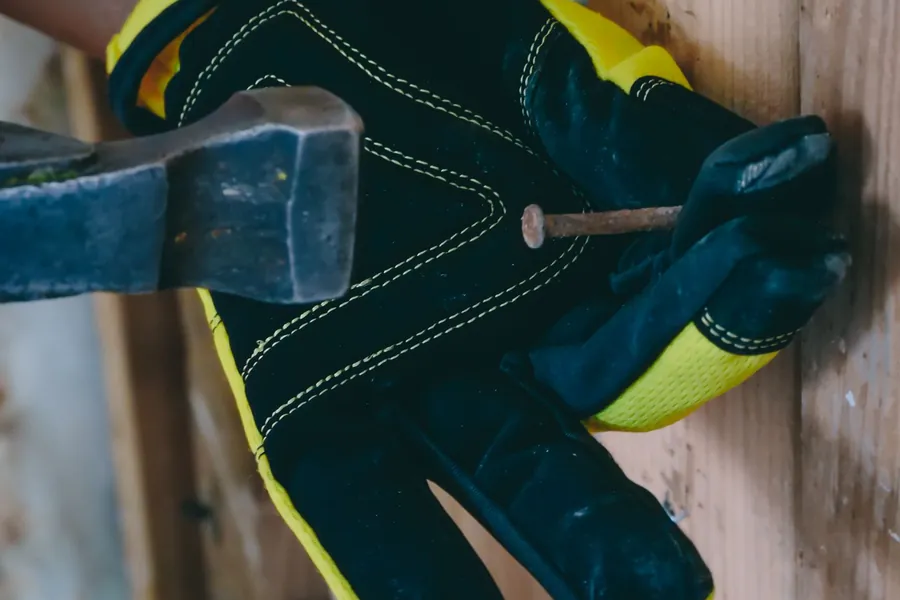
Mechanical fixing is a dull phrase for something specific: every unit held to the timber by metal, with nothing relying on weight, friction or mortar. On interlocking tile that means a nail through the nib into the batten, a clip engaging the tail or the side of the tile, or both together where the calculation demands it. On natural slate it means two nails per slate as a baseline, with a tail clip or disc rivet added in the exposed zones. In practice, on the seaward streets here, the answer that comes out of the sum is very often every tile, every course.
The metal matters as much as the count. Salt air destroys standard galvanised nails long before it touches the covering, so the specification on a Southport roof should be austenitic stainless steel, copper for slate hooks, and the same grade again for the clips. A few pounds a square metre. Cheapest decision on the job.
So does the timber. A clip is only as strong as the batten it is nailed to, and a nail pulls out of a thin, dry, ungraded batten at a fraction of the load it would need to resist. Battens must be graded, treated and of adequate section, and on a re-fix that is the first thing to check rather than the last. The National Federation of Roofing Contractors’ guidance on standards and regulations is the reference point if you want to see what a contractor is meant to be working to.
How to spot an under-fixed roof without leaving the pavement
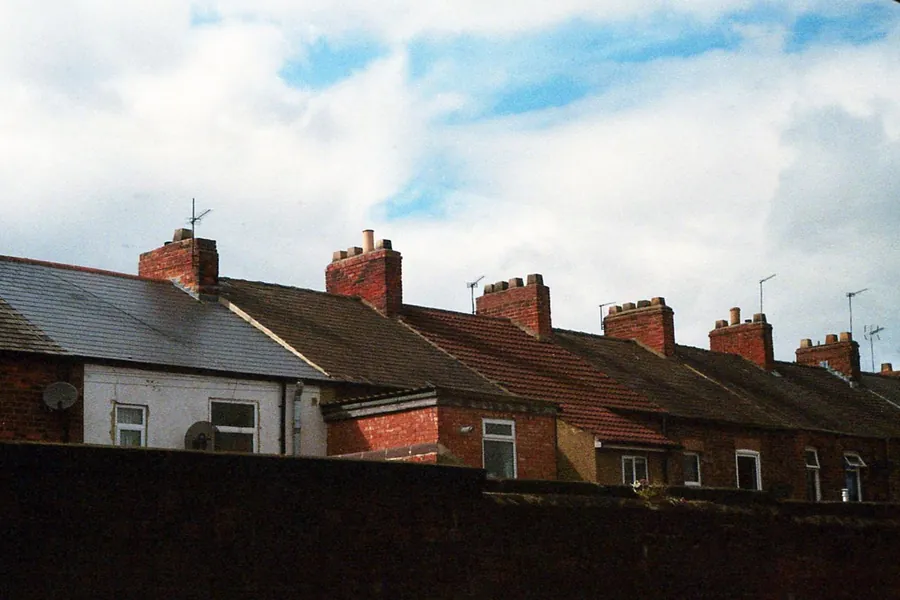
Stand back far enough to see a whole slope and look along the courses rather than at individual tiles. Under-fixing shows up as irregularity: a course that dips slightly, a tile sitting proud of its neighbours, a pale line where a tile has crept down and exposed unweathered material above it. Any slate held on by a strip of lead folded over its tail - a tingle - is a slate whose nails have failed, and tingles rarely come alone.
Check the edges harder than the middle. Look along the gable for a tile that has shifted sideways out of line, and along the eaves for a dropped bottom course. Then check the far side of the ridge from the prevailing wind, which on most Southport houses means the north-eastern slope, because that is where the suction pocket forms.
The loft tells you the rest. Go up on a bright day with the light off. Pinpricks of daylight between the battens mean gaps in the covering. Rusty nail points dropping onto the ceiling joists mean fixings at the end of their life. Look for the underside of the slates and whether there is any underlay at all, and take a photograph of the battens - section, condition and whether they look treated. That photograph will do more to shape an accurate quote than anything you can say on the phone. If the damage did arrive in a named storm, it is also worth reading up on how a Sefton roof claim is actually settled before you ring the insurer, because the wording you use in the first call matters.
Can it be re-fixed, or does the whole lot have to come off?
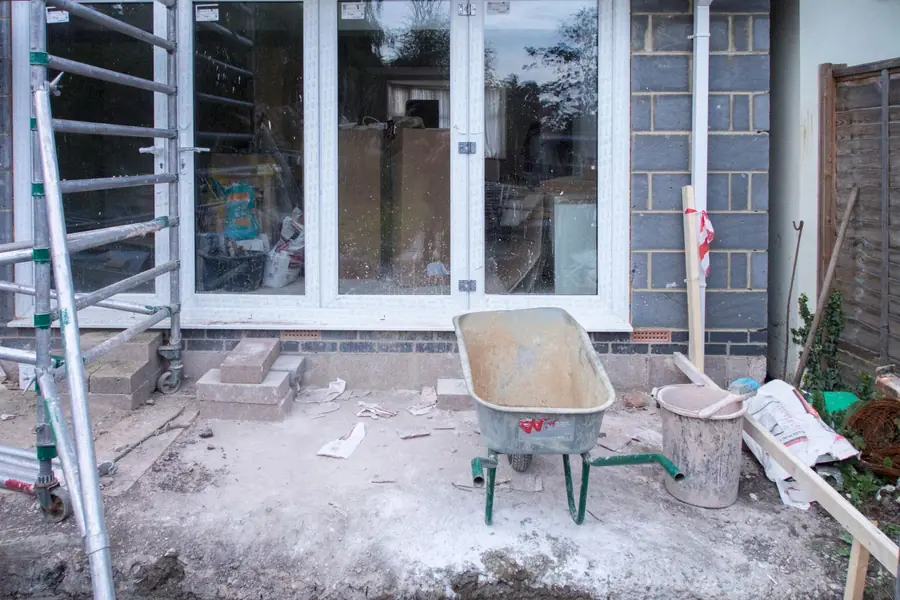
A re-fix is real work, not a bodge, and where the conditions allow it is the sensible answer. The roofer lifts the covering in bands, working up the slope, and re-lays each unit on proper nails and clips. The tiles or slates you already own go back on. Nothing is skipped, but the expensive parts - strip-out, disposal, new covering - are avoided.
It only works if three things hold. The battens have to be sound and of adequate section, because the fixings are going into them. The underlay has to have life left in it, since lifting the covering off a brittle 1970s bitumen felt will tear it. And the covering itself has to be worth saving: concrete tiles that have lost their surface and gone porous, or delaminating slates that snap when handled, will not survive being lifted in any quantity.
Where those conditions fail, a strip and re-cover is the only honest answer, and it is worth being clear about why it costs what it does. The access, the stripping, the disposal, the new membrane, the new battens and the leadwork all cost the same regardless of what goes back on top. A contractor who proposes a re-fix without having seen the battens is guessing, and it is a guess that tends to be discovered halfway through.
What each route costs around Southport

Putting back a handful of slipped units runs £140 to £260 a visit depending on access. That is the figure people pay over and over without ever going near the cause. Three winters of it buys most of a permanent fix.
Re-fixing the perimeter zones of a single elevation - the eaves course, the gable edges and the courses nearest the ridge, which is where the calculated loads are highest - typically lands between £400 and £850 off a tower, where the height allows one. A full lift-and-re-fix of a whole slope generally works out at £40 to £70 a square metre of covering, so a 40 square metre rear slope is £1,600 to £2,800, plus £700 to £1,300 for scaffold on one elevation. Doing front and rear together shares the access cost and is usually better value than two separate visits a year apart.
Strip and re-cover to current specification on a three-bedroom Southport semi sits in the £7,500 to £12,000 range, with natural slate and larger Victorian roofs going higher. Our breakdown of roof repair and replacement costs sets out what sits inside those figures line by line. Whichever route applies, ask for the fixing specification in writing: how many fixings per unit, in which zones, in what material. On this coast that single line decides whether you are buying a roof or renting one a few tiles at a time.
Frequently Asked Questions
How many tiles should a Southport roof lose in a normal winter?
None. That is the honest answer and it surprises people. A covering fixed to the current standard for this exposure is designed to stay on the battens through gusts well above anything a typical winter produces here. Losing two or three tiles a year is not weather being unlucky, it is a fixing specification that was never calculated for the site. Once you accept that, the annual repair bill starts looking like a deposit on the permanent fix rather than routine maintenance.
Can slates and tiles be re-fixed without stripping the whole roof?
Sometimes. It depends entirely on what is under them. If the battens are sound, treated and the right section, and the underlay has not gone brittle, a roofer can lift the covering in bands and put it back on proper nails and clips. If the battens are 19mm sawn softwood from 1968, or there is no underlay at all, the re-fix cannot hold any better than the original did and you are paying twice. A loft inspection settles it before anybody prices anything.
Which parts of Southport are worst for wind damage?
The seaward strip takes it hardest. Birkdale and Hillside west of the railway, Ainsdale toward the dunes, the Promenade villas and the properties facing the marsh at Marshside and Crossens all sit with open ground or open water upwind. Move inland behind Lord Street, or into the denser streets around Blowick and Kew, and the surrounding buildings knock a meaningful slice off what reaches the roof. Two houses of identical age four miles apart can genuinely need different fixing specifications.
Does a wind-damaged roof mean I can claim on my insurance?
Only if the weather crossed the policy threshold, usually a recorded gust around 55mph. That matters here because a lot of Southport tile loss happens in weather nowhere near that figure, which tells the insurer the covering was inadequately fixed rather than storm damaged. Wear and tear and poor workmanship are excluded on every standard policy. Where a named storm genuinely did the damage, the claim turns on being able to describe the mechanism, not just the result.
Free Roof Survey & Quote
Free roof survey and a fixed written quote, anywhere across Southport, Sefton and West Lancashire.