
2 September 2026
Scaffold, Tower Or Ladder? How Roofers Actually Reach A Southport Roof
Access decides a big slice of every roofing quote in Southport. Scaffold types, Sefton's highway licence fees, coastal wind rules and what to settle before it goes up.
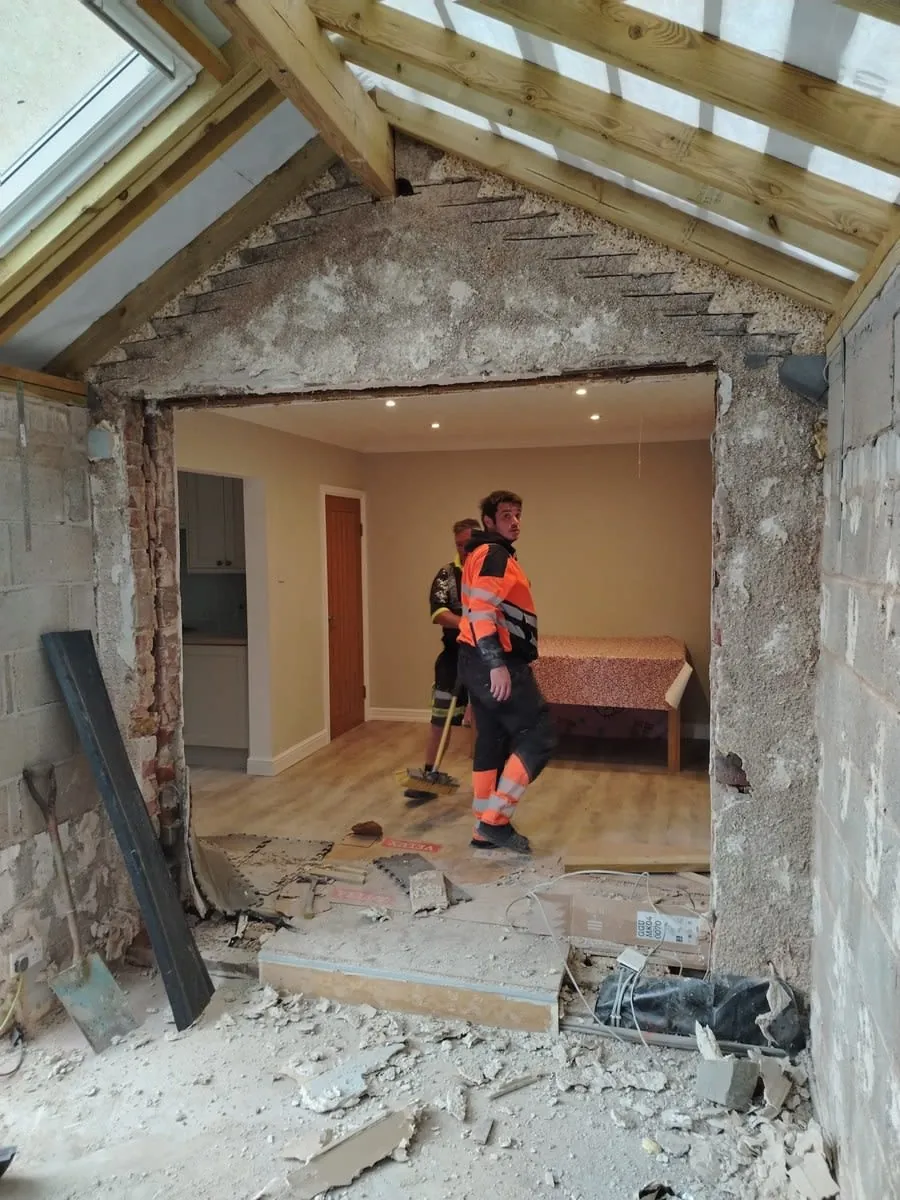
Two roofers look at the same Southport semi and quote £900 apart. The tiles are the same, the flashing is the same, the guarantee is the same. What changed was how each of them planned to get up there - and access, not materials, is where a surprising share of any roofing price actually lives.
It is also where corners get cut. Roof work is involved in close to one in five deaths in UK construction, and almost all of those are falls. So it is worth knowing what your job genuinely needs, what Sefton Council needs to know about it, and why a scaffold on this stretch of coast behaves differently to one in Ormskirk.
The first thing a roofer works out is not the roof
Watch a decent roofer arrive for a survey and they will spend the first two minutes not looking at the roof at all. They are looking at the ground. Is there a driveway to stand poles on, or does everything have to go on the footpath? Is the gate wide enough to carry ten-foot tubes through? Is there a back entry, and does it belong to you? Are there overhead cables, a conservatory in the way, a bay window that changes where a standard leg can land?
Those answers set the shape of the job before a single tile is priced. A rear slope you can reach from your own drive is a different job to the identical slope on a mid-terrace where the only approach is a shared entry three feet wide. That is why two honest quotes for the same roof repair in Southport can look nothing like each other, and why a quote given over the phone without anyone visiting is worth roughly what you paid for it.
Ladder, tower, scaffold or platform
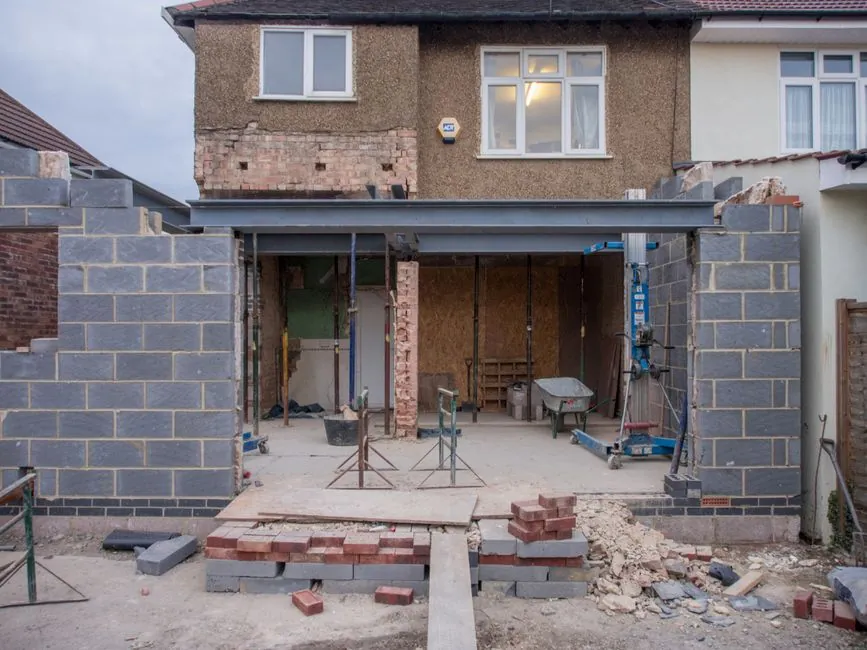
There are four realistic ways onto a domestic roof, and each has a proper use.
A secured ladder with a roof ladder suits short, low-risk work. A gutter clear, a single slipped slate on a bungalow, a look at a flashing behind a chimney. Quick, cheap and entirely legitimate within those limits.
Above that sits the mobile tower, which gives a working platform without the cost of a full scaffold and earns its keep on fascia and soffit runs, low eaves and single-storey extensions. It has to be built, braced and used properly, which is not the same thing as wheeling it about half-erected with someone leaning off the top of it.
Anything substantial needs a proper scaffold. Stripping and re-laying a slope, chimney work, anything where materials are handled at the edge for days on end. The HSE’s guidance on roof work is blunt about edge protection at the eaves, and it is blunt for a reason.
Then there is the cherry picker, which occasionally beats all three. It suits inspection and very short repairs on an awkward elevation, where building a scaffold would take longer than the fix. It also needs somewhere solid and level to park, which rules out most Southport front gardens before you start.
When the scaffold lands on the pavement, Sefton wants to know

This is the part most homeowners have never heard of until it appears on an invoice. If any part of the scaffold, hoarding or even a loading area sits on the public highway - and the pavement outside your house is the public highway - it needs a licence from the council before it goes up.
For Southport, Birkdale, Ainsdale, Churchtown, Formby and the rest of the borough, that is Sefton Council’s construction licences team. The published fees are per week and scale with length: £171 for a static obstruction up to 10 metres, £208 up to 20 metres, £240 up to 30 metres, and on upwards from there. The council visits the site to assess conditions before issuing, and the erecting company has to produce public liability cover of at least £5 million. The licence goes to the scaffolder, not to you.
Two practical consequences. First, allow time - this is not a same-day arrangement, so a job that needs a highway licence cannot start the morning after you say yes. Second, the meter runs while the scaffold stands. A job that drifts from two weeks to five is not just inconvenient, it is another few hundred pounds of licence fee, which is one of the quieter arguments for booking work into a sensible weather window rather than the middle of storm season.
Southport’s awkward addresses
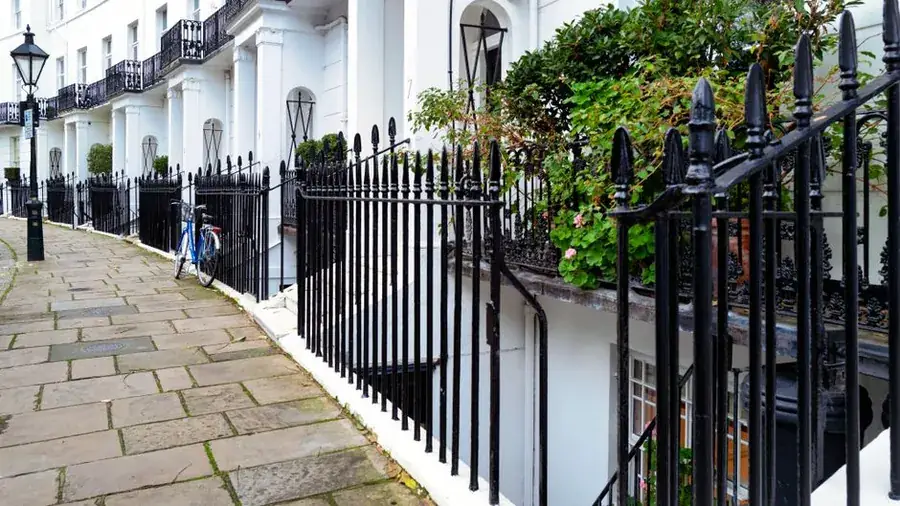
Some of this town is a gift to access and some of it really is not.
The interwar and postwar suburbs - much of Ainsdale, the newer parts of Birkdale, the estates off Kew and Blowick - tend to have drives, side gates and space at the gable. Scaffold goes up on your own land, no licence, no fuss.
The Victorian and Edwardian streets are another matter. Three-storey villas off Lord Street and the terraces running back from the Promenade often have no side access at all, tiny front gardens behind railings, and a back entry shared between six houses that nobody is entirely sure who owns. Add the shop canopies and the pedestrian flow along Lord Street itself for commercial work, and you have a set of problems that get solved with paperwork and negotiation rather than with tools.
None of it is unusual and none of it is a reason to panic. It just needs to be established before the job is priced, not discovered on the morning the wagon turns up.
Wind is why a scaffold here is a different animal
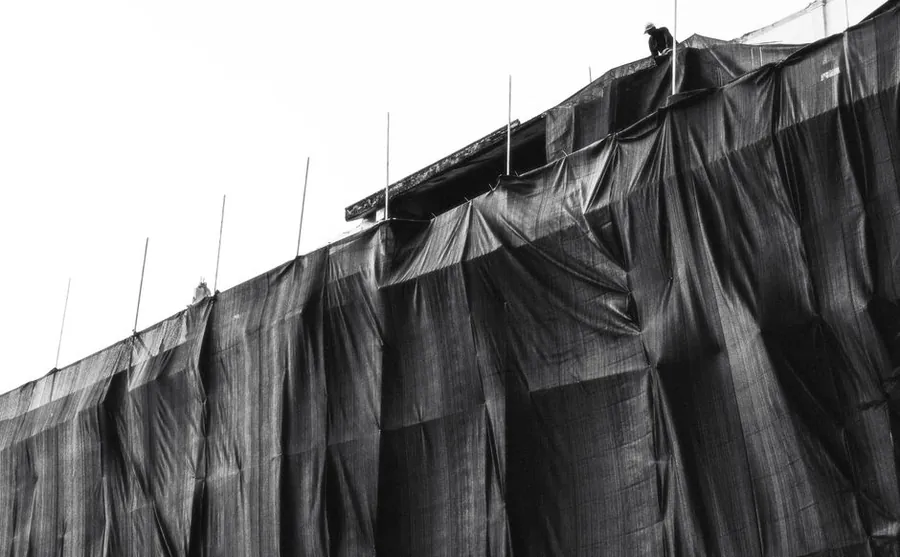
A scaffold is a lattice until you sheet it, and then it is a sail. Southport faces the Irish Sea across flat ground with nothing upwind to slow anything down, which is wonderful for the beach and unhelpful for temporary structures.
What that changes in practice: ties into the building matter more here, sheeting and debris netting have to be specified deliberately rather than thrown on for tidiness, and scaffolds get checked after every serious blow rather than only on the seven-day cycle. Reputable scaffolders work to industry guidance on design and inspection, and membership of the National Access and Scaffolding Confederation is a reasonable shorthand for a firm that takes that seriously.
It also changes the calendar. Scaffolders stand down in high winds, and so do roofers, which is why a January job on an exposed seaward elevation takes longer than the same job in May. We have written elsewhere about when roof work is best booked in Southport, and access is a big part of that answer.
What access adds, and the quote that quietly left it out

Rough shape of it, for domestic work in this area. A tower or ladder job adds little or nothing beyond the labour. A single two-storey elevation scaffold for a typical repair period runs from a few hundred pounds to around a thousand. A full wrap around a detached house or a tall Victorian villa, tied and sheeted and standing for several weeks, is a four-figure line on its own. Highway licence fees sit on top wherever the pavement is involved.
Which brings us to the cheapest quote. When one price is dramatically under the others, the difference is very often access: no scaffold, no licence, ladder work on a job that needed a platform. That is not a discount, it is a different and worse job, and it tends to show up later as work that had to be rushed because nobody could safely stand where they needed to stand. If two prices are far apart, ask each firm what access they have allowed for. It usually explains the gap on its own.
Your neighbour’s garden is your neighbour’s garden
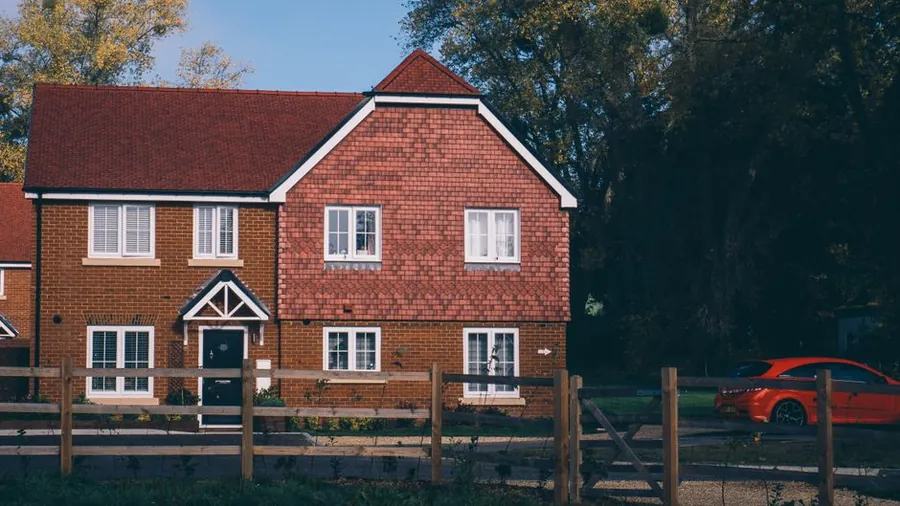
There is no automatic right to put a scaffold leg on someone else’s land. On semis and terraces this comes up constantly, because the sensible standing position for a gable scaffold is often eighteen inches the wrong side of a boundary.
Ask early and ask properly. Most neighbours say yes when they are given dates, a reason and the courtesy of being asked before the poles arrive. A few will want it in writing, which is fair enough. And if the work involves a shared structure - a party wall, a shared chimney stack, a common gutter on a terrace - there may be a separate conversation to have under the Party Wall etc. Act before anyone starts.
Settle these five things before anything goes up
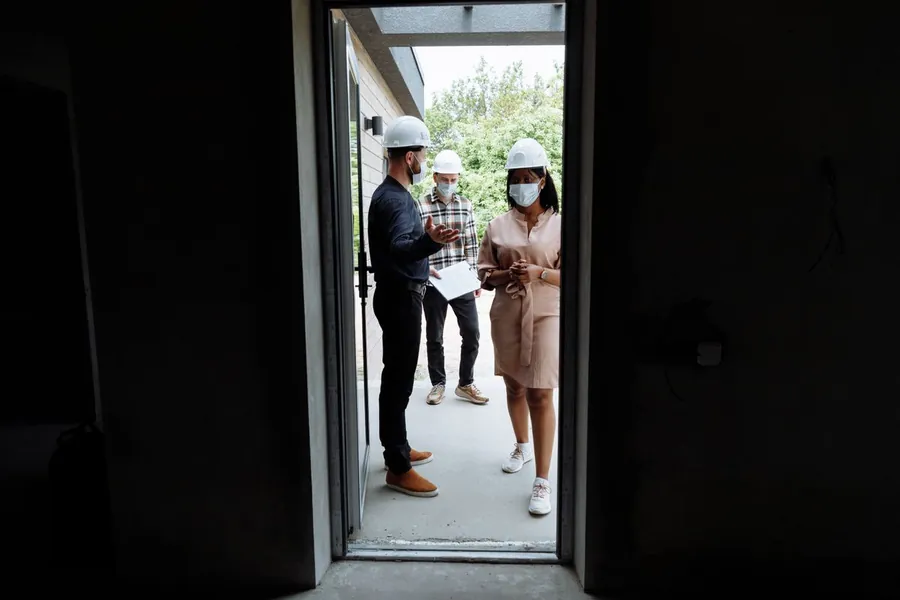
Ask these, in this order, and most access problems never happen.
What access are you allowing for, and is it in the quote or on top of it? A specific answer, not “we’ll sort it out on the day”. Does the job need a highway licence, and who is applying for it? That should be the scaffolder, and the fee should be written down somewhere you can see it. How long will the structure stand, given that licence and hire both run by the week? Whose land is it standing on, and if any of that is a neighbour’s, has anyone actually asked? And who carries the liability while it is up?
That last one is the quickest test of a firm. Public liability cover gets produced without hesitation or it does not, and either answer tells you what you needed to know.
None of it is complicated. It is just the difference between a job that starts on the day it was promised and one that stalls in a driveway while three people work out who was supposed to ring the council.
If you would rather someone came and worked all of that out on site, get a free quote for roof work in Southport and we will tell you what your particular roof needs to reach it safely.
Frequently Asked Questions
Do I need a licence for scaffolding at my house in Southport?
You need one from Sefton Council whenever any part of the structure sits on the public highway, which includes the pavement outside your house. If the scaffold stands entirely within your own garden or driveway, no licence is needed. The licence is issued to the company erecting the scaffold, not to you, and they have to show current public liability insurance with a minimum of £5 million cover. Sefton's published fee starts at £171 per week for a static obstruction up to 10 metres long and rises with length, so a scaffold left standing for a month costs several hundred pounds in licence fees alone.
How much does scaffolding add to a roof job in Southport?
For a straightforward two-storey rear elevation, expect a few hundred pounds up to around a thousand for the hire period on a typical repair, and considerably more for a full wrap around a detached house or a three-storey Victorian villa where the scaffold has to be tied, sheeted and left up for several weeks. If the scaffold sits on the pavement, add Sefton's weekly licence fee on top. The figure varies more with the shape of the property and the length of the hire than with the roof work itself.
Can a roofer just use a ladder instead of scaffolding?
Sometimes, and legitimately so. Short jobs at low height - a couple of slipped tiles on a bungalow, clearing a gutter, checking a flashing - can be done from a properly secured ladder and roof ladder. The line is drawn by the work itself, not by the price. The HSE's position is that sloping roofs need edge protection at the eaves for anything beyond brief, low-risk tasks, and roof work is involved in close to one in five construction deaths. A roofer who wants to strip a whole slope off a two-storey Birkdale semi from a ladder is not saving you money, they are moving the risk onto themselves and onto your property.
What if the scaffold has to stand on my neighbour's land?
Then you need your neighbour's agreement, in advance and preferably in writing. There is no automatic right to put scaffold poles in someone else's garden or drive, and a neighbour who says no can stop a job dead on the day the scaffolders arrive. On terraced and semi-detached streets across Southport this comes up constantly, particularly where the only route to a rear elevation is a shared back entry. Ask early, agree dates, and make sure whoever is doing the work knows what has been agreed before they price the job.
Free Roof Survey & Quote
Free roof survey and a fixed written quote, anywhere across Southport, Sefton and West Lancashire.