
31 August 2026
The Best Time Of Year For Roof Work In Southport
A month-by-month calendar for roof repairs and re-roofs on the Sefton coast - storm season, gull season, summer waiting lists and when to actually book.
Ask ten Southport homeowners when roof work should be done and nine will say summer. Ask a roofer and you’ll get a more useful answer: it depends what the work is, and on this coast the calendar has more moving parts than sunshine. Storm season runs roughly October to March. Gull nesting season - legally protected - runs April to August. The best working weather lands exactly when every roofing firm’s diary is fullest, and some jobs shouldn’t wait for any of it.
So here is the actual calendar, month by month, as it applies to a town that faces the Irish Sea with nothing between its chimney pots and the weather. By the end you’ll know when your particular job belongs - and when to book it, which is a different date entirely.
The roof decides first, the weather votes second
Before any seasonal logic applies, one rule overrides it: an active leak doesn’t care what month it is. Water coming in is damaging timber, insulation and plaster every day it continues, and the cost of the eventual fix grows with the delay. If that’s your situation, the best time for roof work is this week, and a competent firm will make the roof safe and dry in any month of the year - that’s half of what a roof leak repair service in Southport exists for.
The calendar below is for everything else: the planned work. Re-roofs, chimney repointing, new flat roofs, gutter and fascia replacement, the repairs you’ve been meaning to get to. For those, timing genuinely changes what you pay, how long the job takes, and in one Southport-specific case whether it can legally go ahead at all.
October to March: storm season on an open coast

The Atlantic sends its low-pressure systems across in trains from mid-autumn, and the Met Office storm centre has named a dozen storms in a single season more than once in recent years. Southport’s geography does the rest: flat coast, west-facing, the fetch of the whole Irish Sea in front of it and nothing upwind taller than a dune. Gusts that read as “breezy” in Ormskirk arrive on Marshside rooflines with intent.
For your roof, these months are the examination. For roof work, they’re the constraint. Roofers and scaffolders work to wind limits for good reason - a slate is a sail, and a person on an exposed ridge more so - so jobs scheduled in these months lose days to weather, and emergency callouts spike after every named event, pushing routine work down the queue.
The practical read: don’t plan a full re-roof for December if you can help it, and don’t enter October with a known weakness on the seaward slope. The weeks after a big blow are the busiest of a Southport roofer’s year, and the queue is not where you want to discover your ridge tiles were loose.
What winter actually stops, and what it doesn’t
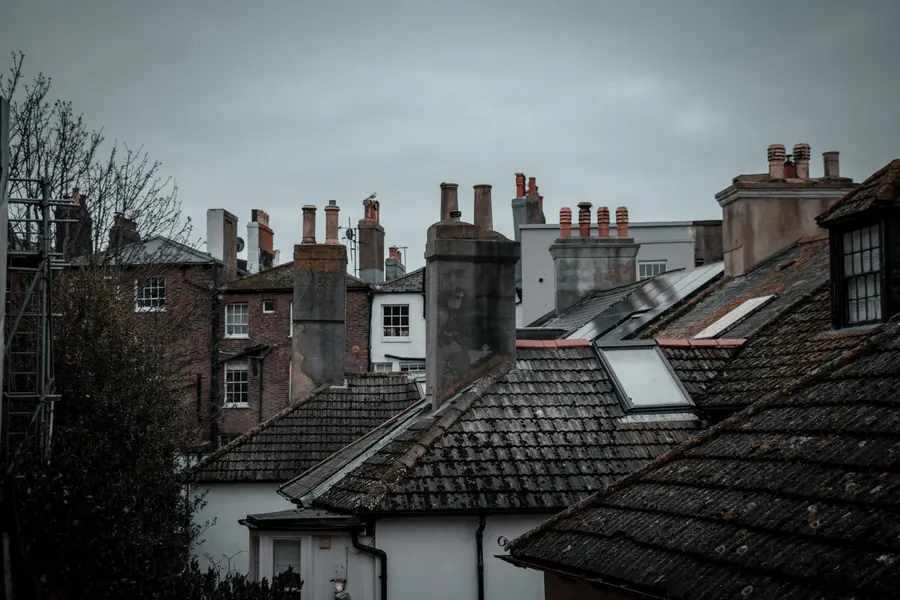
It’s worth being precise here, because “you can’t roof in winter” is a myth that costs people months of unnecessary leaking. Slates and tiles can be stripped and re-laid in January. Flashings can be dressed. Dry ridge and dry verge systems - fixed mechanically, no mortar - were half-invented for this situation. Emergency work happens in any weather that’s safe to stand up in.
What winter genuinely interrupts is narrower. Mortar - bedding, repointing, cement fillets - shouldn’t go on in temperatures near freezing, because the cure fails. Torch-on felt, liquid coatings and adhesives want dry substrates and reasonable temperatures, which rules out more November days than you’d think. And everything at height answers to the wind: the rules that govern working at height aren’t seasonal, but the days that satisfy them thin out badly between storms.
So winter jobs run on a simple pattern: mechanical work proceeds, wet work waits for windows, and everything takes about a third longer than the same job in June. If a firm quotes you a winter re-roof with no weather allowance in the programme, that tells you something about the firm.
Spring: the inspection and booking window
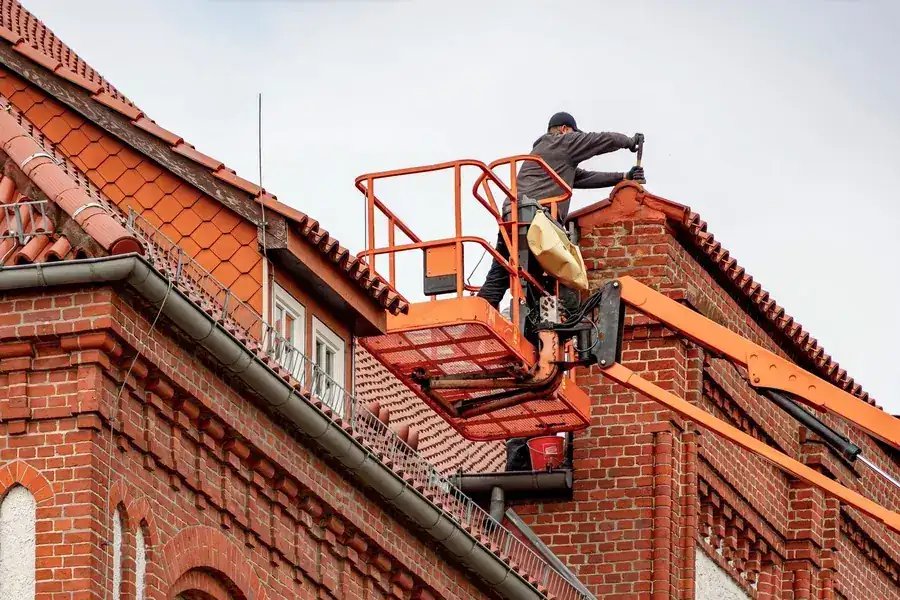
March to May is the smart money’s season, and not because it’s the best weather - it’s because of what it sits between. The roof has just been through its annual examination and the results are visible: slipped slates, cracked pots, mortar shed from the verges, gutters full of what the dunes sent over. And the summer rush hasn’t started, so surveys are easy to book and quotes come back quickly.
This is when to get eyes on the roof - yours from the pavement with binoculars, or a roofer’s properly. It’s also when the two clocks that govern the rest of the year start ticking. Book in spring and you can have your pick of summer slots. Wait until June to start ringing round and you’ll find the good firms already committed, which is how re-roofs end up scheduled into October, back in the teeth of the weather.
One more spring habit this coast rewards: check the seaward elevation particularly. Southport roofs don’t wear evenly - the west-facing slopes take the salt, the sand-scour and the wind uplift, and they age faster than the sheltered side by years. Ten minutes of looking in April regularly saves a ceiling in November.
Gull season: April to August, and it is not negotiable
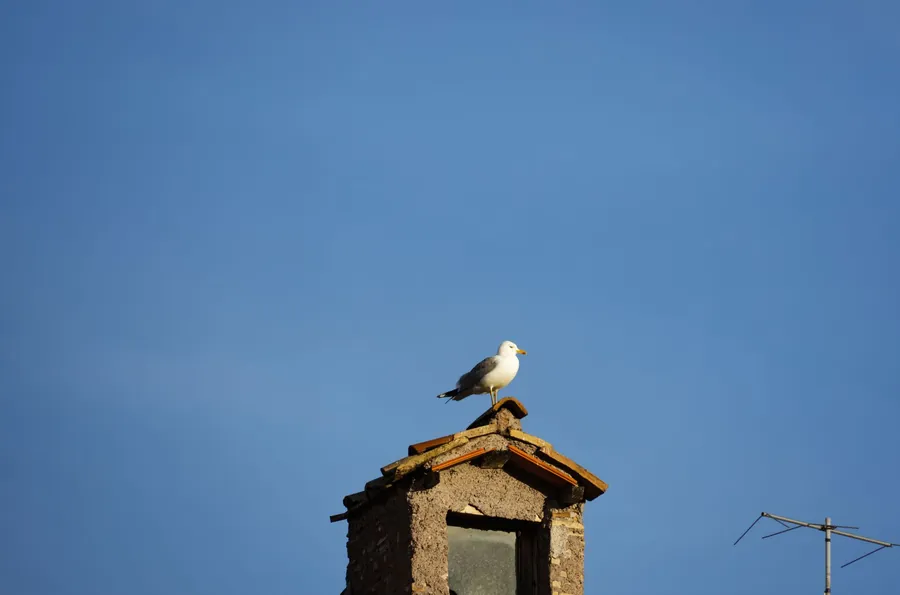
Here’s the constraint nobody inland ever has to think about. Herring gulls and lesser black-backed gulls nest on Southport’s roofs - chimney stacks, valleys, behind parapets on the taller Victorian terraces - and every wild bird’s active nest is protected by law. The government’s own guidance on wild bird protection is blunt: disturbing or removing an active nest without a licence is an offence, and for herring gulls, which are red-listed, licences are granted for health-and-safety reasons, not for convenience or scheduling.
In practice: if a pair has settled on the stack you need to repoint, work on that section pauses until the chicks fledge, usually by August. A good local firm checks for nesting activity before pricing summer work on likely roofs and plans around it; a firm that shrugs and says they’ll “move it” is volunteering you both for a criminal offence.
If your roof hosts gulls every year - plenty around the seafront and Hesketh Park do - the scheduling answer is to do the work outside the nesting window and fit deterrents at the same time, legally, while the roof is clear. September to March is the season for that job, and it’s a job worth doing once properly rather than fighting the same pair every May.
High summer: the best conditions and the longest queue
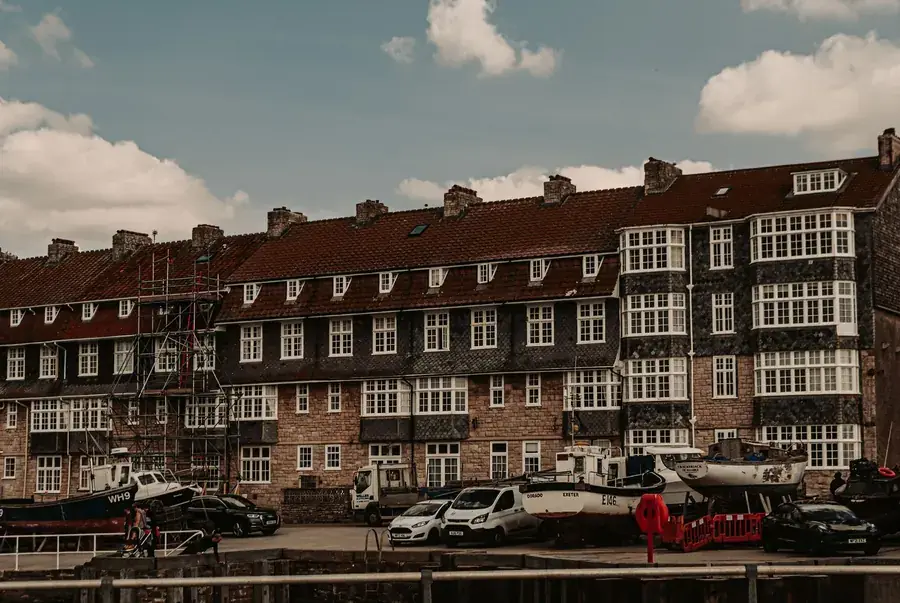
June to September is everything the brochure promises: long days, warm mortar-friendly temperatures, dry substrates for flat-roof systems, light winds more often than not. Materials behave, programmes hold, and a re-roof that would stagger through five winter weeks gets done in two. If you have a big, weather-sensitive job - a full strip and re-slate, a new flat roof, structural timber work - this is the season for it.
Which is exactly why it’s rationed. Every roofing firm on the coast is at capacity, the established ones are booked weeks or months out, and scaffolding, skips and materials are all at their annual peak demand. Summer availability at short notice is its own warning sign: the good firms don’t have it.
Two things keep a summer job honest. First, the booking made back in spring, as above. Second, a written programme - because even in July, this remains a coast where a westerly can take a day out of the week, and you want the quote to say what happens when it does rather than finding out from an invoice.
Autumn: the deadline the coast sets you

September and early October are the last good working weeks, and the to-do list writes itself: it’s whatever you’d rather not discover mid-storm. Gutters and downpipes cleared - and cleared late enough to catch the leaf fall, which around here arrives mixed with a ration of dune sand that turns to something like concrete if it’s left over winter. We’ve covered what sand, salt and gulls do to Southport guttering in its own post, and autumn is when that reading becomes a work order.
The same fortnight suits the small mechanical jobs that make storm season boring: refixing the slipped slate while it’s one slate, securing ridge tiles, renewing a cracked flashing, checking the flat roof over the back addition before it holds its winter ponds. None of these are big jobs in October. All of them are big jobs in January, with scaffold, in the rain, at emergency rates.
So, the calendar in one paragraph: leaks get fixed now, whenever now is. Planned big work goes in the April-to-September window, booked in spring, with gulls checked before anyone climbs. Inspections belong to spring and prevention to autumn, and winter belongs to the weather, with a good roofer on call for whatever it finds.
If you want a date in the diary before the diary fills - or the coast has already found your weak slate - get a free quote in Southport and we’ll fit the job to the right season.
Frequently Asked Questions
Can roof repairs be done in winter in Southport?
Yes - most repairs happen in winter, because winter is when roofs fail. Slate and tile replacement, flashing repairs, dry ridge work and emergency make-safes all go ahead in cold weather. What winter interrupts is the weather-dependent work: wet trades like mortar bedding need temperatures above about 5°C, torch-on felt and liquid systems need dry surfaces, and scaffolders and roofers stand down in high winds. Jobs take longer in winter because the workable days are rationed, but they don't stop.
When is storm season in Southport?
The Met Office storm-naming season runs from early September to late August, but in practice the damaging weather on this coast arrives between October and March, when Atlantic low-pressure systems come through in trains. Southport faces the Irish Sea with no high ground to the west, so the town takes those winds at full strength - which is why loose slates, lifted ridge tiles and failed flashings so often announce themselves between autumn half-term and Easter.
Why can't work near nesting gulls go ahead in summer?
All wild birds, their active nests and their eggs are protected under the Wildlife and Countryside Act 1981. Herring gulls - a red-listed species despite how many of them stroll along Lord Street - nest on chimney stacks and behind parapets from roughly April to August, and an active nest cannot legally be moved or disturbed without a specific licence, which for herring gulls is rarely granted for convenience. If gulls are sitting on the section of roof that needs work, the realistic options are to work around them or wait until the chicks have fledged.
How far ahead should I book a re-roof in Southport?
For a full re-roof in the popular April-to-September window, booking two to three months ahead is realistic for a decent firm, and the best-regarded ones can be further out than that. Repairs move much faster - days to a couple of weeks depending on weather. The practical trick is to get the survey and quote done early in the year, so you're on the schedule before the spring rush rather than joining the back of it.
Free Roof Survey & Quote
Free roof survey and a fixed written quote, anywhere across Southport, Sefton and West Lancashire.