
24 August 2026
Re-Roofing In Southport: Who Actually Needs Planning Permission?
Most Southport roof work needs no planning permission at all - but cross into West Lancashire, or change the material, and the answer flips. A plain guide to which rules apply to your address.
There is a conversation we have on the phone perhaps once a fortnight, and it goes the same way every time. Somebody has been told by a neighbour, a builder or an internet forum that they need planning permission to have their roof done, and they have spent a fortnight worrying about it. In the overwhelming majority of cases they do not. Re-roofing a house in Southport is repair work, and repair work is not development.
Where it gets genuinely complicated is that Southport sits on a boundary. The town is Sefton, but drive fifteen minutes up the coast road or out past Scarisbrick and you are under a different council with a different attitude to exactly this question. Two houses of the same age and appearance, eight miles apart, can have completely different answers. Working out which one is yours takes about five minutes.
Putting back what was there is not development
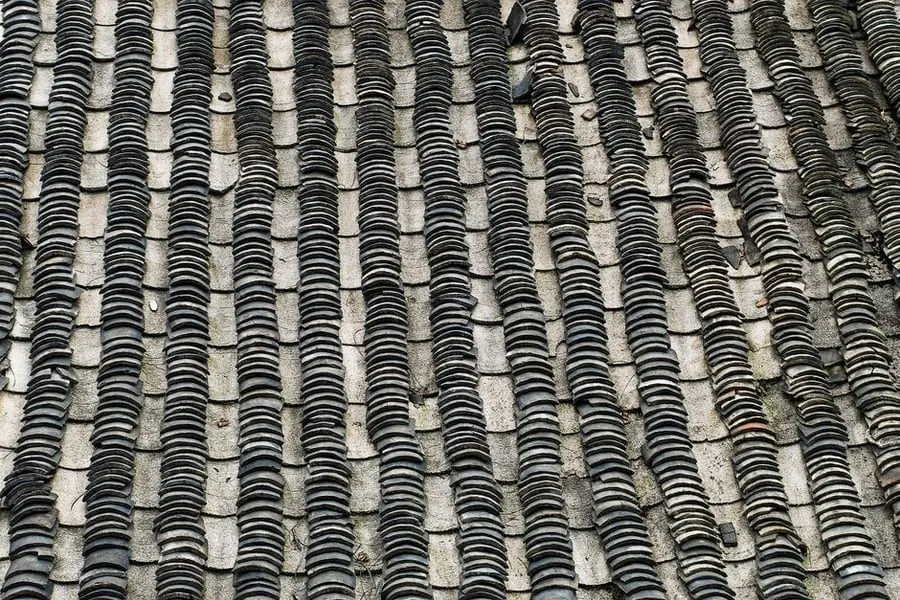
The starting point in law is simple. Work to the roof of a house that does not materially affect its external appearance will not normally need permission, and the Planning Portal’s guidance on roof work puts it in almost those words. Strip a worn slate roof off a Birkdale semi, renew the battens and felt, put slate back on, and from the pavement nothing has changed. No application, no fee, no eight-week wait.
That covers the great majority of what we do. New coverings, new flashings, new ridge, new valleys, a full strip and re-lay - all of it maintenance, however large the invoice feels. Our page on full roof replacement in Southport sets out what that work involves, and permission is not part of it.
The word doing the work in that rule is “materially”. A slate roof replaced in slate is invisible. A slate roof replaced in machine-made concrete interlocking tiles, on a Victorian frontage in a street of slate, is not invisible at all, and a council is entitled to call that a material alteration. Nobody is going to send an enforcement officer round for a bungalow on a 1970s estate. A prominent frontage on Lord Street is a different proposition.
Which council you are actually under
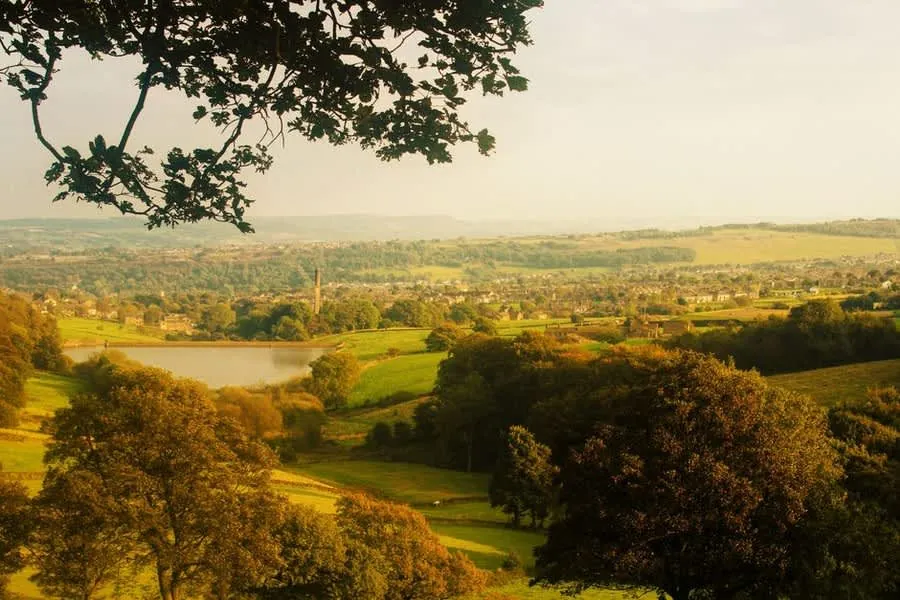
Sefton Metropolitan Borough Council covers Southport proper and everything down the coast: Birkdale, Hillside, Ainsdale, Formby, and inland to Churchtown, Crossens and Marshside.
Cross the Ribble estuary side of town and the authority changes. Banks, Hesketh Bank, Mere Brow, Tarleton, Rufford, Scarisbrick, Halsall and Burscough are all West Lancashire Borough Council. Plenty of our customers have a Southport postal address and a West Lancashire planning authority, which is a combination guaranteed to produce a wrong answer if you google the question generically.
The difference is not academic. West Lancashire has applied Article 4 directions far more widely than Sefton has. On the council’s own Article 4 page it confirms that in the twenty-three conservation areas covered by an Article 4(2) direction, planning permission is required for alterations to windows, doors, roofs and chimneys - including changes in materials. That is a roof rule, explicitly. Newburgh goes further still with a full Article 4(1) direction covering all parts of a property.
So the same job - concrete tiles instead of slate, say - is a phone call in Ainsdale and a planning application in a designated part of Tarleton.
Southport’s conservation areas, and what they really restrict
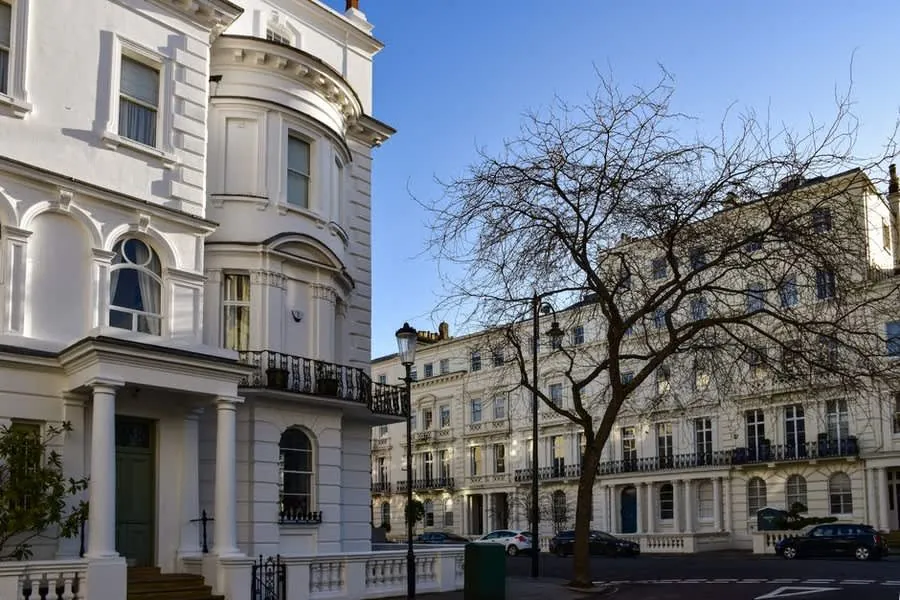
Sefton has twenty-five conservation areas in total and a good handful of them are in and around Southport - Lord Street, Promenade, Birkdale Park, West Birkdale, Birkdale Village, Hesketh Road, Churchtown Village and North Meols among them. If your house has generous bays, deep eaves and a slate roof somewhere between the Promenade and Hesketh Park, there is a fair chance you are inside one.
Now the part almost nobody gets right. Being in a conservation area does not, by itself, remove your permitted development rights for the roof. That is what an Article 4 direction does, and the two Article 4 directions Sefton has confirmed are at Moor Park in Crosby and Sefton Village - neither of them in Southport. The council’s conservation areas pages list each designation and the appraisals that go with them.
What designation does mean is that the council has a statutory duty to preserve or enhance the character of the area, and that colours every judgement it makes about whether something is a material alteration. In practice: like-for-like re-roofing, fine. Anything that changes the colour, texture or profile of what people see from the street, ask first. Demolition rules are also tighter inside a conservation area, which matters if a chimney stack is coming down rather than being repaired.
The pragmatic route is a fifteen-minute phone call to Sefton’s conservation team before you accept a quote. They are used to the question and would far rather answer it in advance.
The 150 millimetre rule, and where rooflights sit
Rooflights are the single most common alteration people ask about, and the rule is refreshingly concrete. Alterations to a roof are permitted development so long as nothing projects more than 150 millimetres beyond the plane of the existing roof slope, and nothing exceeds the height of the highest part of the existing roof.
A modern flush-fitted rooflight sits well inside 150 millimetres. A conservation-pattern one with a central glazing bar sits flatter still. So a bedroom at the back of a Hillside dormer bungalow can gain two rooflights on a Tuesday with no paperwork at all.
Two conditions come attached. Any window in a side elevation of the roof has to be obscure-glazed, and any opening part has to be at least 1.7 metres above the floor of the room. And the fact that something is permitted does not mean it is sensible: putting a large modern rooflight into the front slope of a Lord Street villa is legally arguable and aesthetically indefensible, and there are conservation patterns that cost barely more.
Dormers, and the volume nobody has measured
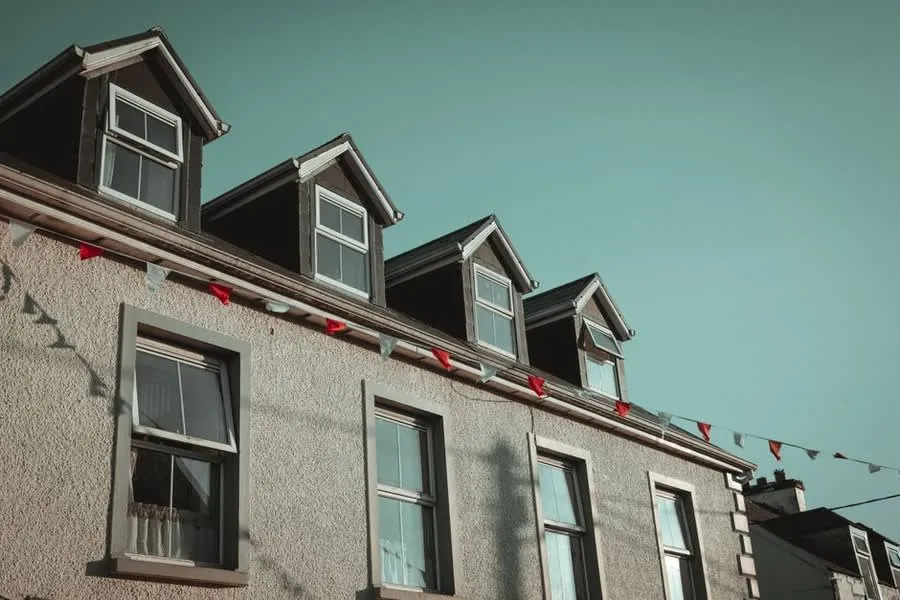
Dormers fall under the loft conversion rules rather than the general roof alteration ones, and they come with a volume allowance: 40 cubic metres of additional roof space for a terraced house, 50 for a semi-detached or detached. Beyond that, you apply.
Three points routinely trip people up. The allowance is cumulative across the life of the building, so if the previous owner put a box dormer on the back in 2004, that volume is spent and you inherit the remainder. Dormers must not extend beyond the plane of the front roof slope - which rules out front dormers as permitted development entirely, in any of Southport’s streets. And the dormer should be set back at least 200 millimetres from the original eaves.
Whether or not permission is needed, dormers are the part of a roof most likely to leak later, because the cheeks and the junctions around them are where water gets a chance to stop moving. We wrote about that in more detail in our piece on why bays, porches and dormer cheeks fail before the main roof does, and it is worth reading before you sign off a design.
Listed buildings are a separate system entirely
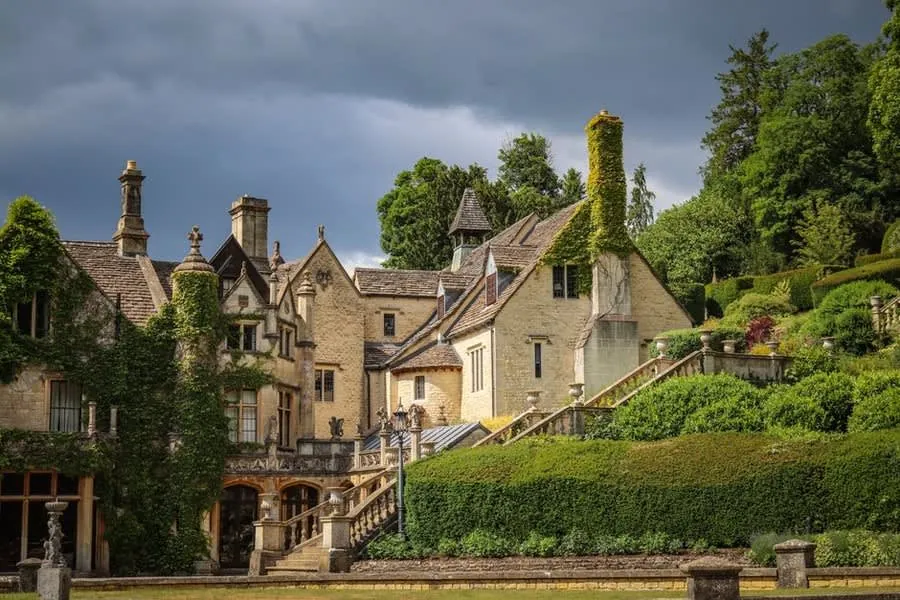
Everything above concerns planning permission. Listed building consent is a different consent under different legislation, and it applies to the whole building, inside and out, whether or not the work would otherwise count as development.
Sefton has around 566 listed buildings and a meaningful number of them are in Southport - along Lord Street, around Churchtown, and scattered through Birkdale Park. On a listed building, replacing a slate roof with a different slate can require consent. So can re-bedding ridge tiles in a modern mortar, or renewing lead work in a different profile.
The consequence of getting this wrong is not a fine and a retrospective application. Unauthorised works to a listed building are a criminal offence. If there is any chance your house is listed - and Victorian villas in Southport get listed more often than people expect - check before, not after. The council’s conservation officers will tell you in a single email.
Building regulations are the ones that actually apply to you
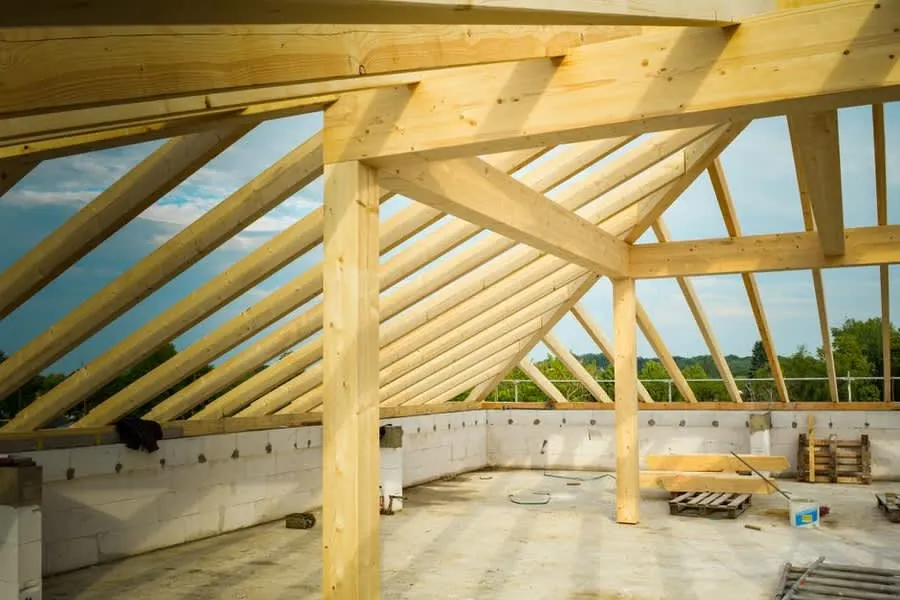
Here is the switch that surprises people. The job that needs no planning permission whatsoever almost certainly does need building regulations attention.
Re-covering a roof is notifiable building work. Renew more than a quarter of the roof area and you are renovating what the regulations call a thermal element, which triggers a duty to improve the insulation to current standards where that is technically and economically feasible. On a cold loft that usually means topping up quilt at ceiling level, which is cheap. On a room-in-roof or a warm-deck flat roof it is a real design decision with a real cost, and it should be priced into the quote rather than discovered halfway through.
Structure matters too. Natural slate weighs far less than concrete interlocking tiles, and a Victorian roof structure designed for slate will not necessarily take concrete without strengthening. Any roofer proposing a change of covering should have an answer about the loading. If they look blank at the question, that is the answer.
Ventilation is the third element, and on the coast it is not optional. Seal a roof up tightly without provision at eaves and ridge and you will trade a leak for condensation, which does the same damage more slowly.
What to do before you accept a quote

Five minutes of checking removes almost all of the uncertainty. Confirm which council covers your address - Sefton or West Lancashire - because everything else follows from that. Check whether you are inside a conservation area and whether the building is listed. Establish whether the roofer is proposing the same material as the one coming off, and if not, ask why.
Then ask the roofer directly who is notifying building control, and whether it is being done through a competent person scheme or an application to the council. A firm that does this properly will answer in one sentence. If the answer is that nobody needs to be told, be careful.
None of this is a reason to delay a roof that is leaking. Repairs are repairs, and no council in the country wants to hear about a slipped slate. The permission questions only arrive when the appearance changes - and on the great majority of Southport houses, it does not.
Ask us to look at your roof and tell you which permissions, if any, apply
Frequently Asked Questions
Do I need planning permission to replace my roof in Southport?
Almost certainly not, if you are putting back what was there. Re-roofing that does not materially change the external appearance of the house is repair and maintenance, and Sefton Council will not want an application for it. The answer changes if you swap the material for something that looks different from the street - concrete tiles in place of natural slate is the usual example - or if you raise the roof line, or if the building is listed.
Is Southport in Sefton or West Lancashire for planning?
Southport itself, along with Birkdale, Ainsdale, Churchtown, Crossens and Hillside, sits with Sefton Council. Go north or east past the town boundary and you are into West Lancashire Borough Council - Banks, Mere Brow, Tarleton, Rufford, Scarisbrick and Burscough are all West Lancashire. It matters more than it sounds, because the two authorities have taken noticeably different approaches to Article 4 directions, which is what decides whether ordinary roof alterations need an application.
Can I put rooflights in without permission?
Usually yes. Roof alterations are permitted development provided nothing projects more than 150 millimetres from the existing roof slope and nothing sits higher than the highest part of the existing roof. A standard flush-fitted conservation-style rooflight comfortably meets that. Side-facing windows have extra conditions - obscure glazing, and no opening part below 1.7 metres from the floor. In a conservation area the council will still take an interest in what a front-facing rooflight looks like.
What about a dormer on the back of a Southport terrace?
Rear dormers are often permitted development under the loft conversion rules, subject to a volume allowance - 40 cubic metres for a terraced house, 50 for a semi or detached - and to the dormer being set back from the eaves and not extending beyond the plane of the front roof slope. Front-facing dormers are not permitted development anywhere. The volume figure is cumulative, so a previous owner's loft work counts against yours.
Does re-roofing need building regulations approval even if it needs no planning permission?
Yes, and this is the one that catches people out. Re-covering a roof is notifiable building work. Where you renew more than a quarter of a roof it counts as renovating a thermal element, which brings a duty to improve the insulation to current standards where that is technically and economically feasible. The structure has to be checked too, because modern concrete tiles are far heavier than the slates they often replace.
My house is in the Lord Street conservation area. Are the rules different?
The conservation area designation is real and it does bite, but not in the way most people assume. None of Southport's conservation areas carries an Article 4 direction, so ordinary permitted development rights for roofs still apply. What changes is that the council must have regard to preserving the character of the area, so a change of roofing material that alters the look of the frontage is far more likely to be treated as a material alteration - and demolition rules are tighter. Ring the conservation officer before you commit to anything visible.
Free Roof Survey & Quote
Free roof survey and a fixed written quote, anywhere across Southport, Sefton and West Lancashire.