
14 August 2026
Moss, Sand And Salt: What A Sefton Coast Roof Needs Every Year
Southport is drier than Manchester and its roofs still take a beating. Sand off the dunes, salt off the sea and moss under the pines each do something different, and a morning a year handles all three.
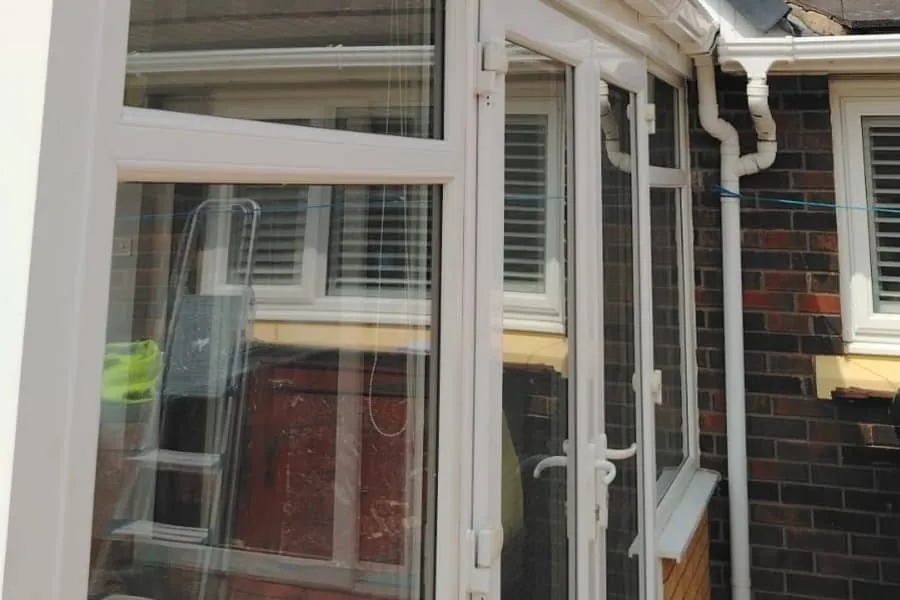
Everybody assumes a North West roof gets destroyed by rainfall. Round here that turns out to be wrong. Crosby, which holds the closest long-running weather record to this bit of coastline, averages somewhere near 824mm annually. Manchester gets more. The Lakes get vastly more.
Southport is not a wet town. It is an exposed one, and it has three maintenance problems that inland roofs simply do not: sand blown in off the dunes, salt carried on the prevailing westerly, and heavy moss growth in the sheltered damp pockets around Formby and Freshfield. None of them is dramatic. All three work slowly, and all three are cheap to deal with and expensive to ignore.
Here is what a roof round here actually needs, and roughly when.
Why a coastal roof ages differently
The covering is rarely what gives out first. It is everything holding the covering on.
Salt barely touches slate or clay. It is relentless on iron and steel, and it travels much further inland than people expect. Anywhere near the front it grinds away at nails, screws, brackets and any unprotected metalwork, which is how a roof in Birkdale or Ainsdale runs out of fixings while the slate sitting on them remains flawless. The same roof at Ormskirk would have years left.
Which changes what you should be looking at. Inland, people watch the covering. Here, watch the metalwork - gutter brackets, flashings, anything galvanised, the fixings visible at the verges. When those start to go they are telling you something about the roof’s age that the slate is not. Whether that ends in a repair or something bigger is set out on our page about what replacing a roof involves.
The sand nobody warns you about
This is the one that surprises people who have moved here, and the one inland roofers never think to check.
Southport, Birkdale, Ainsdale and Formby all sit behind a substantial dune system, and fine sand does not stay on the beach. A steady westerly carries it a long way inland, where it settles into exactly the places water is meant to be moving through: gutters, valleys, and the outlets on flat roofs and dormers.
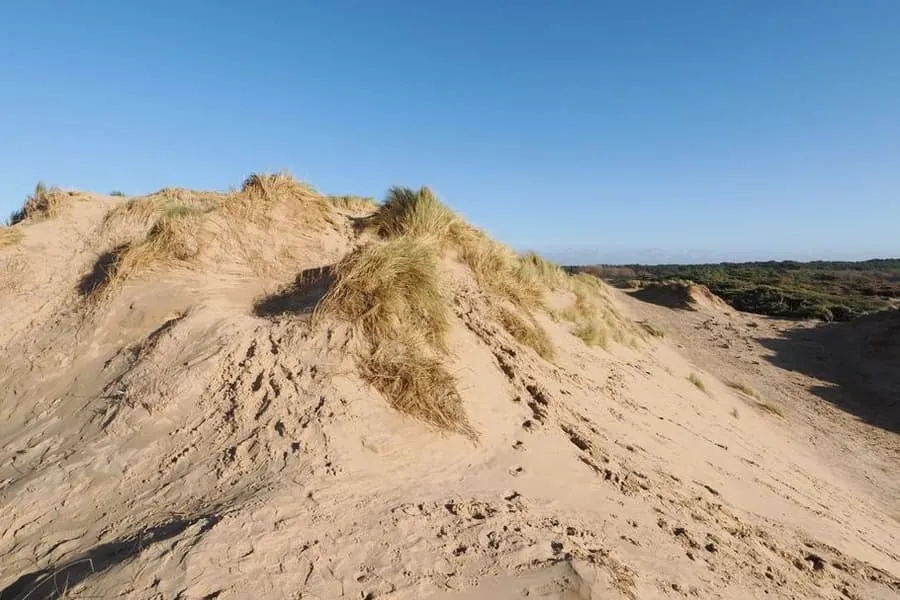
On its own it would wash straight through. Mixed with moss and leaf litter it does not. It binds into a silt that sits in the bottom of a gutter like wet cement, holding water against whatever is behind it. In a valley it is worse again, because a blocked valley pushes water up under the slates on both slopes at the same time. The giveaway is two damp patches turning up in two different rooms in the same wet fortnight.
Live within a couple of miles of the front? Check the gutters twice a year rather than once. Of everything on this page it is the most specifically local, and the one people who moved here from inland never see coming.
Moss: when it matters and when it does not
People selling moss removal treat it as an emergency. Everybody else treats it as nothing. The honest answer sits between the two and depends entirely on where it is growing.
Out on an open slope of sound slate or tile, moss is mostly a cosmetic annoyance. It creeps along slowly, it looks scruffy, and on a shaded north-facing pitch you may as well accept it. Around the pinewoods at Formby and Freshfield practically every roof has it, since the trees keep everything shaded and shed needles right through the year instead of dumping them in one go each October.
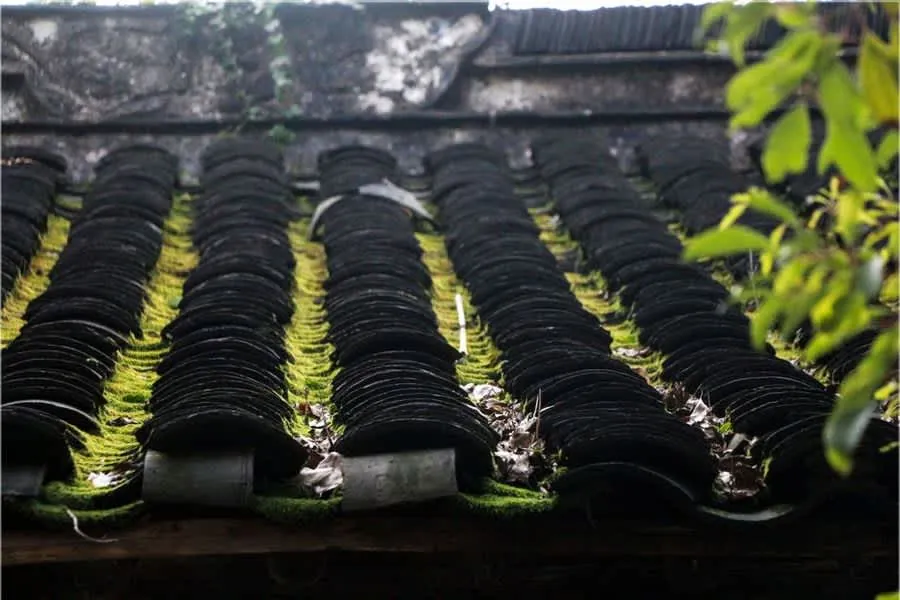
Where it genuinely matters is when it blocks something. Moss shed off a slope into a valley or a gutter does the same job as leaf litter, and combined with sand it does it faster.
Why aggressive removal is worse than the moss
Pressure washing a slate or tile roof is one of the more reliably damaging things you can pay for. It strips the weathered surface off concrete tiles, which then absorb water and grow moss back faster than before. It drives water up under slates. On an older roof it dislodges fixings that were holding on by not very much.
Scraping by hand from the correct access, and clearing what falls into the gutters afterwards, is the sane version. If somebody offers to jet wash your roof, that is a reason to say no rather than a service.
Gutters: the hundred pounds that saves thousands
If you only do one thing on this page, do this one.
An overflowing gutter is not a mess. It is a wall being soaked a few thousand times a year. Wet brickwork pulls heat out of the house, so you spend the winter paying to warm damp masonry, and on a coast where the wind carries salt it is also the precise condition in which salt crystallises inside the brick and takes the face off.
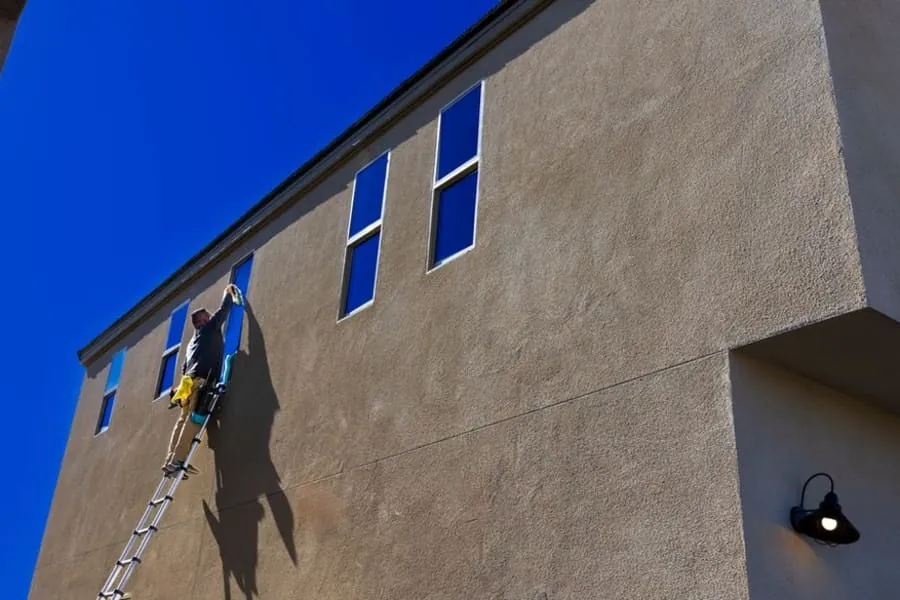
Worse, water running down a wall eventually reaches the wall plate - the timber the whole roof sits on. Rot there converts a guttering problem into a structural one with an entirely different price attached. Clearing a typical semi costs somewhere around £90 to £180 and takes a morning, which is covered on our guttering page along with what to do when a clear gutter still overflows.
One tip specific to here: clearing the gutter and leaving the downpipe achieves nothing, because sand settles out at the bottom of the run. Follow the water all the way to the gully.
What to walk round and check after a storm
Named storms arrive on this coast at full strength, because there is no high ground between here and Ireland. The Met Office UK Storm Centre keeps a record of each one, which is worth knowing if you ever need to link damage to a date for an insurer.
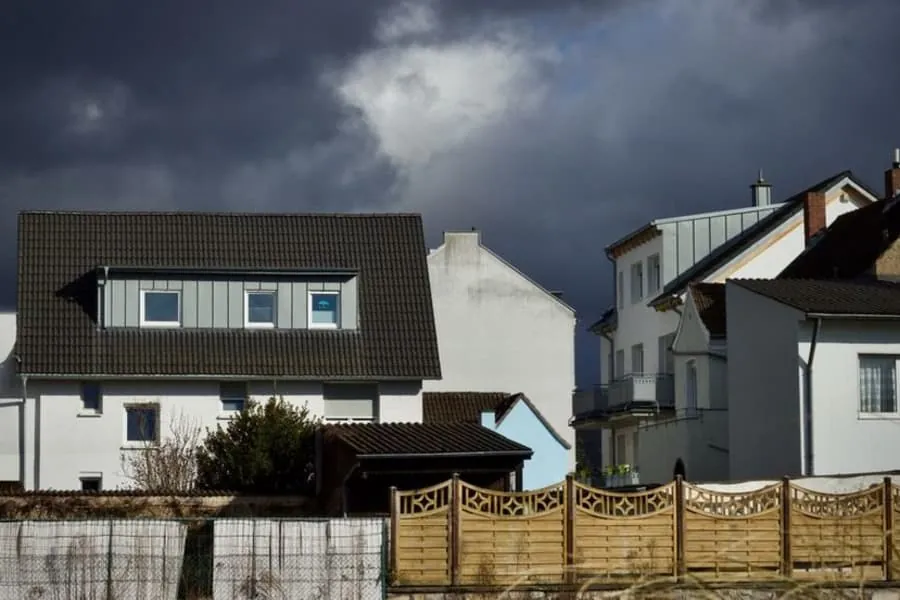
Start at the edges. Wind wrecks a roof by getting underneath something and lifting, so ridge, hips, verges and the first course above the gutter all go long before anything out in the middle of a slope does. On the open frontages at Ainsdale, Marshside and Banks, with nothing between the houses and the estuary, that pattern is about as reliable as anything in this trade gets.
Then look at the ground. Fragments of slate, grit or lumps of mortar on the drive tell you something has moved even when the roof looks untouched from below. Bear in mind too that a slate can lift, drop back into place, and look completely untouched from where you are standing, right up until the rain arrives sideways. If anything has actually come down, our guide on what to do first and how claims get settled covers the evidence insurers ask for.
The roof coating pitch, and why to say no
Within days of any decent blow, vans appear in the affected streets offering free roof inspections, and a fair number of those conversations end with an offer to coat the whole roof.
For almost every house, do not buy it. A roof has to breathe. Seal the outside while water is still finding a way in elsewhere and the whole structure just stays wet, which is what rots battens and softens the ends of rafters. It also makes the proper repair, when it eventually happens, harder and dearer - coated lead has to be cleaned back or replaced before anybody can dress it correctly.

Southport’s large retired population gets targeted particularly hard by doorstep roofing sales, which is worth passing on to a neighbour. Three rules cover it. Nothing gets agreed on the doorstep. No cash changes hands with anybody who turned up uninvited. And every quote comes in writing, from a firm you went looking for rather than one that found you. Trading Standards publishes guidance on doorstep trading, and if the property sits in one of Sefton’s 25 conservation areas there may be restrictions on altering its appearance anyway - Sefton Council’s planning pages are the place to check.
A yearly routine that fits in one morning
None of this needs a ladder, and you should not get on the roof.
In late autumn, once the leaves are down, get the gutters and downpipes cleared through to the gully. That is the only part worth paying somebody for, and near the dunes do it again in spring.

The rest is fifteen minutes with a pair of binoculars from the garden or the pavement opposite, twice a year and after any storm that made the news. Sight along the ridge to check the line is straight. Look for slates sitting proud or out of course. Check the chimney for open joints, anything growing out of it, or pots that have started to lean. Glance at the gutter line for a dip or a sag, and at the fascia behind for flaking paint and dark staining. Check the ground for grit.
Write down anything that changes between one look and the next. A single slate that moved is bad luck. A different one each year is a pattern, and the pattern is the thing worth acting on.
Frequently Asked Questions
How often should roof gutters be cleared in Southport?
Once a year suits most houses, ideally late autumn once the leaves are down. Make it twice a year if you are near the dunes at Birkdale or Ainsdale where wind-blown sand accumulates, under the pines at Formby or Freshfield where needles drop all year rather than in one autumn fall, or if a north-facing slope keeps shedding moss into the run.
Does moss on a roof actually cause damage?
Usually less than people fear. On a sound covering moss is largely cosmetic and slow-growing. It matters when it blocks something - a valley, a gutter, an outlet - because that holds water where water should be draining away. Aggressive removal does more harm than the moss, since scraping and pressure washing strip the surface off tiles and drive water under slates.
Why does sand get into roof gutters in Southport?
Southport sits behind one of the larger dune systems in England and fine sand travels a long way inland on a westerly. It settles in gutters, valleys and flat-roof outlets, binds with moss into a dense silt, and holds water against the covering. It is a genuinely local maintenance issue that inland roofers rarely think to check for.
Is a roof coating worth paying for?
For the vast majority of houses, no. Coatings seal the outside of a covering that still needs to breathe, and where water is entering elsewhere the roof then stays permanently damp inside, which is how battens perish. They also make a proper future repair harder and dearer. Be especially wary if the suggestion arrived via somebody knocking at your door.
What should I check on my roof after a storm?
Walk the perimeter and look at the edges first - ridge, hips, verges and the first course above the gutter - because wind damages roofs by getting underneath an edge and lifting. Check the ground for fragments of slate or mortar, and look for anything sitting proud of the line. A slate that lifted and dropped back looks perfectly normal from below and will let water through at the next driving rain.
Free Roof Survey & Quote
Free roof survey and a fixed written quote, anywhere across Southport, Sefton and West Lancashire.