
22 August 2026
Letting A House In Southport? The Roof Is On You - Here Is Exactly How Much
Roof repairs on a Southport rental or guest house are the landlord's duty, not the tenant's. What the law covers, how a council hazard score works, and how to budget for a coastal roof.
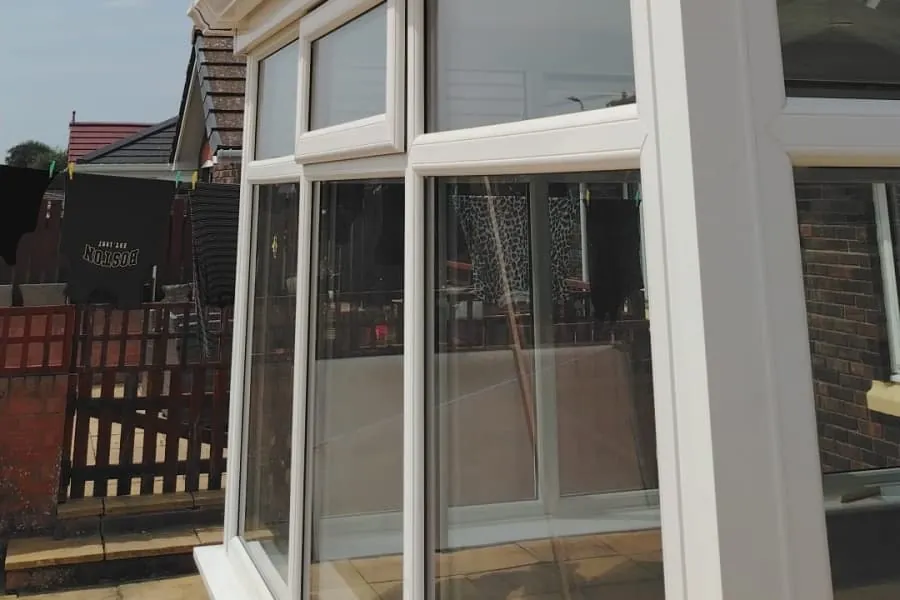
A lot of Southport is rented. The bay-fronted terraces inland of Lord Street, the converted seafront villas, the interwar semis out towards Ainsdale that have been let for thirty years, and on top of all that the guest houses. Which means a lot of the town’s roofs are owned by somebody who does not sleep under them. That distance is the problem. A homeowner hears a drip at two in the morning and rings somebody by nine. A landlord hears about it three weeks later, in a text message, after the ceiling has gone. By then a £280 flashing repair has become a plastering bill, an insurance excess and a tenant with a genuine grievance. This is what the law actually asks of you, what a Southport roof costs to keep on the right side of it, and where landlords here reliably get caught out.
What the law actually hands you
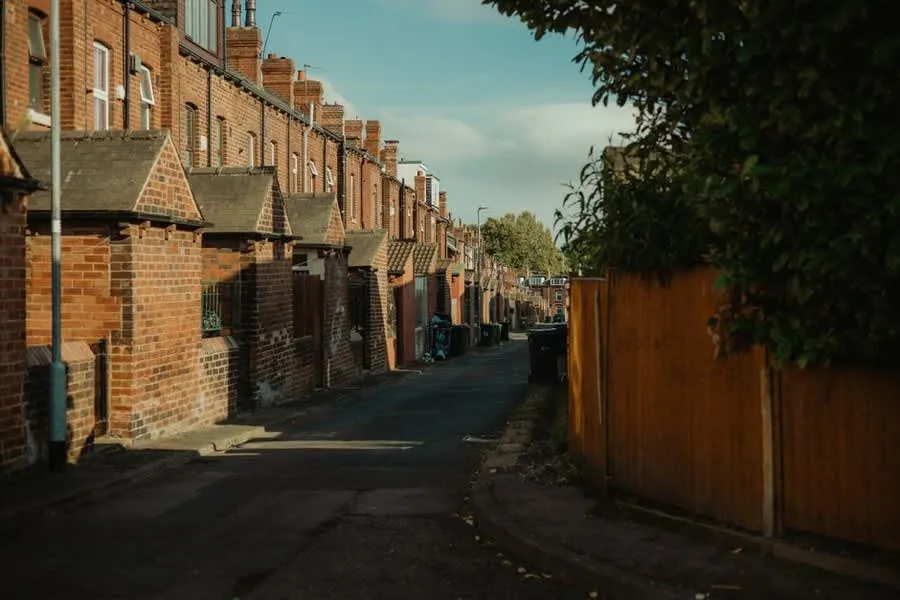
Start with section 11 of the Landlord and Tenant Act 1985. It requires you to keep in repair the structure and exterior of the dwelling, and it names drains, gutters and external pipes specifically. Roof covering, flashings, verges, fascias, the lot - all yours. The important word in the section 11 text itself is that this duty cannot be contracted out of. Tenancy agreements sometimes carry a line making the tenant responsible for “minor external maintenance”. It is decoration. It does nothing.
Sitting on top of that is the Homes (Fitness for Human Habitation) Act 2018, which changed the enforcement route rather than the standard. It applies to tenancies granted from 20 March 2019 and to all periodic tenancies from a year later, and it lets a tenant take you to court directly if the property is unfit - without needing the council to act first. Damp caused by a roof is one of the clearest routes to unfit there is. The government’s own guide for landlords is short and worth twenty minutes of anybody’s evening.
One nuance that catches people. For most defects your liability starts when you are put on notice, so a tenant who says nothing for four months has weakened their own position. That does not help you as much as it sounds. Notice can be actual or constructive, and if your agent inspected in February and wrote “staining to rear bedroom ceiling” on the report, you were on notice in February.
The three ways a roof turns into a legal problem
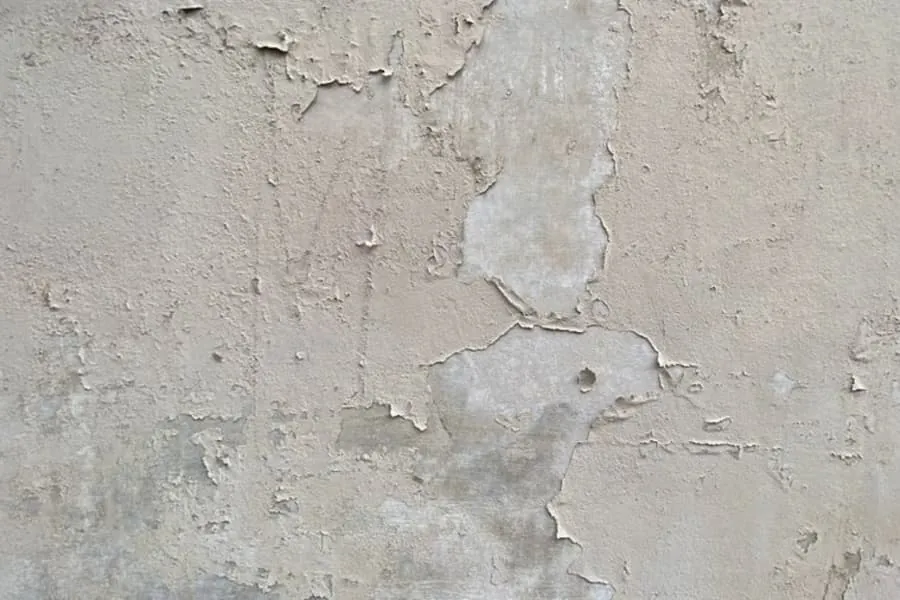
The first is the slow one. Water gets in somewhere small, nobody chases it, and eighteen months later there is mould in a corner and a child with a cough. Nothing dramatic ever happens, and then a disrepair claim arrives with photographs going back a year and a half.
The second is the fast one. A gale comes off the Irish Sea, a ridge tile or a section of felt goes, and the property is uninhabitable by lunchtime. Now you are dealing with emergency access, possibly alternative accommodation, and an insurer who wants to know when the roof was last inspected. Our piece on why roofing quotes differ so much in Southport covers the second half of that story - what happens when you are ringing round for prices in a hurry after a storm, which is the worst possible moment to be doing it.
The third is the one landlords never see coming: the tenant stops paying, or applies to withhold, or goes to the council. Rent repayment orders and disrepair counterclaims tend to arrive attached to something else, and a roof you meant to look at two winters ago becomes the evidence. If a leak is live, the fastest way to shorten the whole story is simply to book proper roof leak repairs in Southport and get a dated invoice for the file.
Southport’s rental stock, and where its roofs give out

Rental property here is not one thing, and the roofs fail differently depending on which sort you own.
The Victorian and Edwardian terraces inland of the Promenade are usually natural slate on softwood battens, with lead valleys and a shared stack. Their weak points are nail fatigue - the original iron fixings corrode and slates start sliding one at a time, often after a hundred-odd years of doing nothing wrong - and the valleys, which fill with debris and then hold water against the lead. These are also the properties most likely to be split into flats, which means a roof problem lands on a top-floor tenant while the ground-floor tenant notices nothing.
The big seafront and near-seafront houses, many now guest houses or HMOs, are three and four storeys with dormers, bay roofs, deep parapet gutters and an awful lot of lead. Everything about them is expensive, and the reason is access rather than materials. A repair that costs £300 of work needs £900 of scaffold to reach.
The interwar and postwar semis out through Birkdale, Ainsdale and Marshside are concrete tile on trussed roofs. Cheaper to fix, but the tiles are now at the age where they delaminate and go porous, and the ridge is usually mortar-bedded and past it. The coastal element is real here too: fine sand blown in off the dunes settles in laps and gutters, holds moisture, and gives moss a bed to grow in that an inland roof simply does not have.
How a council hazard score actually works
If a tenant complains to the council, what arrives is not an opinion about your roof. It is the Housing Health and Safety Rating System, a scoring method covering 29 separate hazards, and the very first one on the list is damp and mould growth. An officer assesses how likely harm is and how serious it would be, and the output is a score that falls into Category 1 or Category 2.
The distinction matters enormously. Where a Category 1 hazard is found the council has a duty to take enforcement action - not a discretion. That can be a hazard awareness notice, an improvement notice with a compliance date, or in serious cases works in default, where they do the job and bill you. Category 2 leaves the council with a choice.
The official HHSRS guidance for landlords spells out how the scoring runs, and the useful thing to take from it is that vulnerability of the occupant is built into the assessment. The same damp patch scores differently depending on who is sleeping in the room. A family with a baby, an elderly tenant, someone with a respiratory condition - all push the number up.
Reactive spending versus an actual roof budget

Most landlords run roofs on a break-fix basis and it is the most expensive way to do it. A rough guide to what things cost in Southport, so you can see the gap:
A gutter clear and check on a two-storey terrace runs somewhere around £80 to £150 and takes an hour. Refixing a handful of slipped slates is typically £150 to £350 depending on access. Renewing lead flashing to a chimney or an abutment comes in around £350 to £700. Repointing a stack sits at £400 to £1,200. Where you get into real money is a full covering: £6,000 to £12,000 on a standard terrace, more on anything with a complicated roofline, and a good third of that on a tall seafront property is scaffold.
Set against that, an annual inspection on a let property costs less than one call-out and turns two of the four items above into things you never pay for. The maths is not close. On a portfolio, get every roof looked at in early autumn - September, before the equinoctial gales, not January when every roofer within twenty miles has a two-week waiting list and emergency rates.
The other budget line landlords underestimate is rainwater goods. Blocked or split guttering is the single most common cause of the damp patch that eventually gets scored under HHSRS, and it is also the cheapest thing on the entire roof to keep right.
Access, tenants and the practical side

You have a right of access to inspect and repair, but it comes with conditions: 24 hours’ written notice, a reasonable time of day, and no letting yourself in over a refusal. Tenants who have been chasing a leak for months are sometimes the hardest to get an appointment with, which is a frustrating irony but a real one. Give notice properly, in writing, every time, and keep the copy.
Scaffold is the other practical headache. On the terraces off Sussex Road or Talbot Street there is often no side access at all, so the scaffold goes up from the pavement and needs a licence from Sefton Council’s highways team. That is lead time, not just cost. And on a mid-terrace you may need a word with the neighbours either side before anything gets erected, which is easier if you do it before rather than after the poles arrive.
Where the property is a guest house, timing is the whole conversation. Nobody wants scaffold across the frontage in July. Roofers know this and the shoulder months book up accordingly - if you own visitor accommodation, February and November are your friends.
The paperwork that saves you two years later
Every roof job on a let property should leave three things behind: a written scope saying what was found and what was done, a dated invoice, and photographs. Not because anyone enjoys filing, but because a disrepair claim is decided on a timeline, and the landlord with a folder wins the timeline argument comfortably.
Add the inspection reports even when nothing was wrong. “Inspected 14 September, roof sound, gutters cleared” is worth having on file the day a tenant says the leak has been there since the summer. Ask your roofer to use a firm registered with a body you can check - the National Federation of Roofing Contractors lets you verify membership in a minute - and keep the guarantee document with the tenancy file rather than in a drawer at home.
One last habit worth forming. When a tenant reports something, reply the same day in writing even if you cannot get anybody out for a fortnight. Acknowledging the report and giving a date is what separates a landlord who was slow from a landlord who ignored it, and those two are treated very differently by everyone who might later look at it.
Book a roof inspection or repair on your Southport rental property
Frequently Asked Questions
Is the landlord or the tenant responsible for a leaking roof?
The landlord, in almost every case. Section 11 of the Landlord and Tenant Act 1985 puts the structure and exterior of the property on the landlord, and that expressly includes drains, gutters and external pipes. You cannot write that duty out of a tenancy agreement - a clause trying to hand roof repairs to a tenant has no legal effect. The tenant's side of the bargain is to tell you about the problem and let you in to fix it.
How quickly do I have to fix a roof leak in a rented property?
There is no single statutory clock, but the standard is what a reasonable landlord would do once put on notice, judged against how bad the problem is. Water coming through a ceiling onto a landing is not a fortnight's job - make it safe within days and book the permanent repair straight away. A slipped tile with no ingress yet gives you more room. Record the date you were told and the date you acted, because that gap is what any later dispute turns on.
Can Sefton Council make me repair a roof?
Yes. Under the Housing Health and Safety Rating System a council environmental health officer can inspect and score hazards, and damp and mould growth is the first hazard on the list. Where a hazard scores as Category 1 the council has a legal duty to take action, which can mean an improvement notice with a deadline attached. Properties in Southport, Formby and Crosby fall to Sefton Council; go a few miles inland to Burscough or Banks and it is West Lancashire Borough Council instead.
Can I claim roof repairs against rental income?
Repairs are normally an allowable expense against rental profit, while improvements are treated as capital. Patching lead, replacing slipped slates and renewing failed guttering read as repair. Stripping a worn covering and putting on a whole new roof of the same specification is usually still repair, but upgrading to something materially better can be argued as capital. It is worth putting the question to your accountant before the invoice is raised rather than after, because the wording on it matters.
Do guest houses and HMOs have extra roofing duties?
The repairing obligations are the same, but the consequences of ignoring them are not. Licensed HMOs carry conditions on the licence and the council inspects against them, and a guest house is a business with fire, insurance and trading standards attached to the state of the building. Add the fact that these are usually three and four storey properties on the exposed side of town, and both the risk and the access cost sit higher than on a standard semi.
Free Roof Survey & Quote
Free roof survey and a fixed written quote, anywhere across Southport, Sefton and West Lancashire.