
24 August 2026
The Survey Gave Your Southport Roof A 3. What Happens Next?
A condition rating 3 on the roof is the commonest reason a Southport house sale wobbles. What the rating means, why surveyors hedge, and how to turn it into a number you can negotiate with.
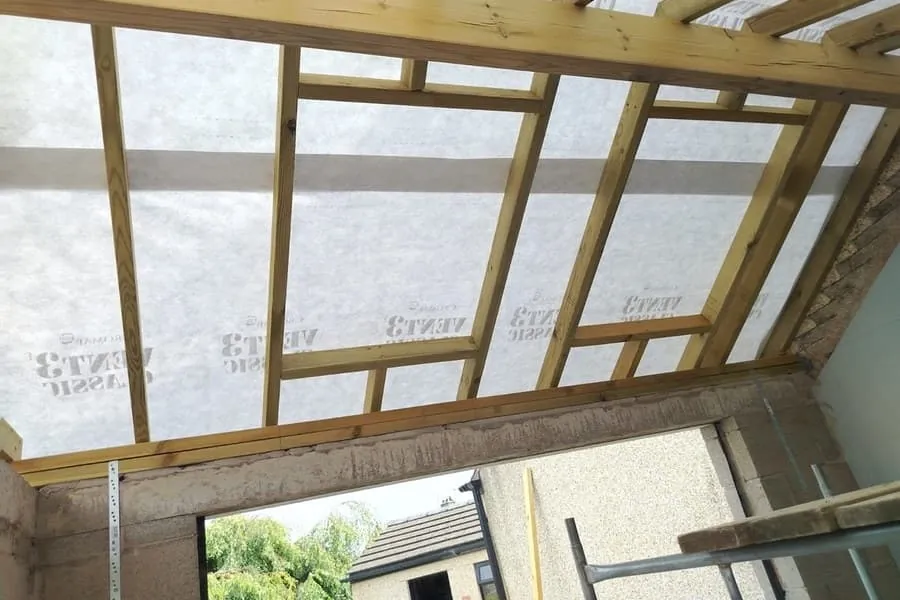
Roofs cause more collapsed sales in Southport than damp, subsidence and dodgy wiring put together. Not because the roofs are bad - the town’s Victorian slate is often outlasting everything under it - but because the roof is the one part of a house a surveyor genuinely cannot inspect properly, and caution written into a report reads to a nervous buyer like a condemnation.
If your survey has come back with the roof marked 3, or with a paragraph recommending “further investigation by a specialist contractor”, this is what that actually means and what to do with it over the next fortnight.
What a condition rating is telling you, and what it is not
RICS reports score each element of a house on a three-point scale. Rating 1 is no repair currently needed. Rating 2, in the standard’s own words, covers elements with defects that need repairing or replacing but are not considered to be either serious or urgent. Rating 3 covers elements with defects that are “serious and/or need to be repaired, replaced or investigated urgently”.
Read that last one twice. Three separate things are bundled into one score: serious, urgent, or needs investigating. A roof about to let go and a roof the surveyor simply could not see get the same number. There is nothing wrong with the system - the RICS home survey standards are clear about what each level covers - but a single digit carries an enormous range of meaning, and buyers rarely get told that.
So the first job is not to panic and not to reach for the phone to your solicitor. It is to work out which of the three things the surveyor meant.
Nobody went on the roof
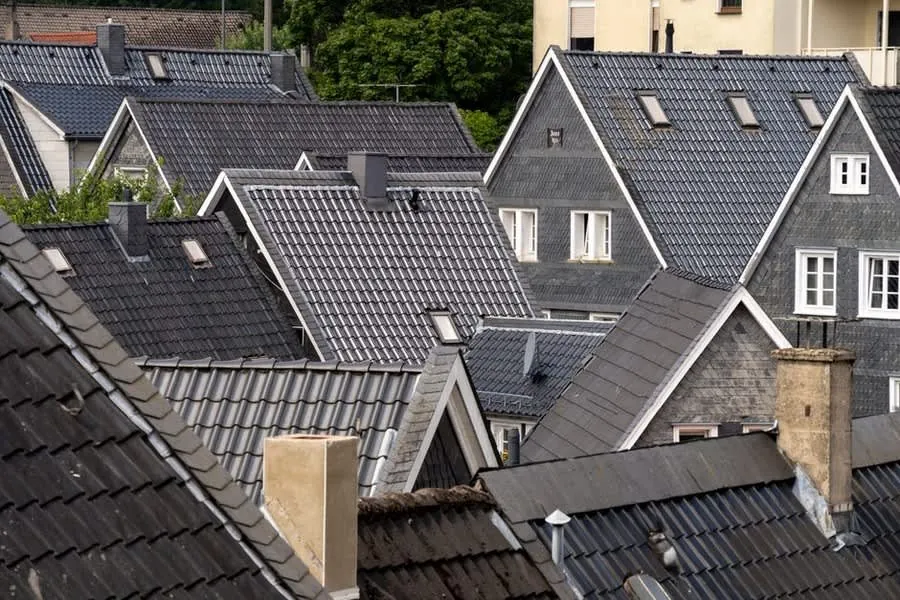
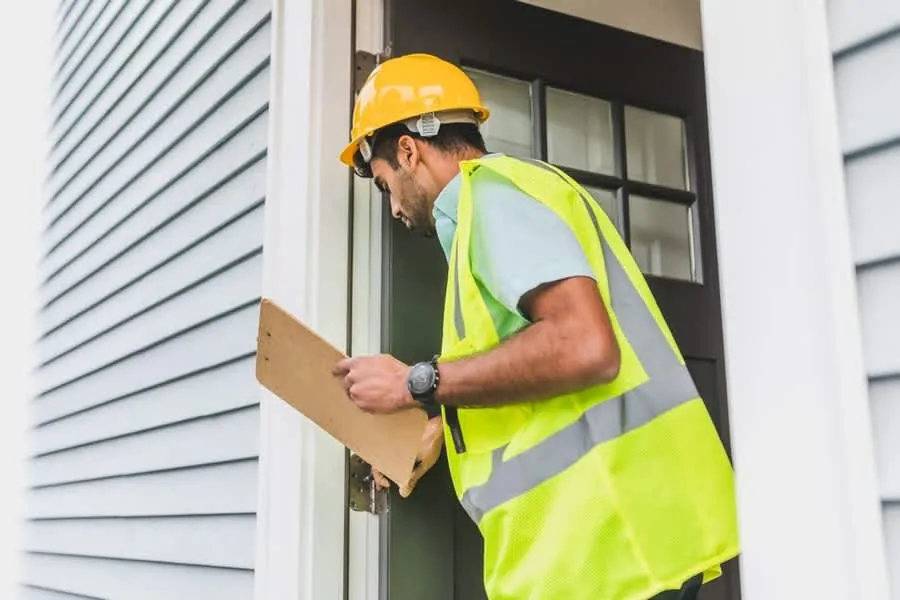
This is the single most useful fact for a buyer to understand, and almost nobody does. The RICS Home Survey Level 2 report template spells out the method: roofs, chimneys and other outside surfaces are inspected from ground level, if necessary from neighbouring public property, and with the help of binoculars. The roof structure is inspected from inside the roof space where there is access, without moving insulation or stored goods.
That is the whole inspection. No ladder, no scaffold, no walking the slopes.
Think about what that means on a typical Southport property. A three-storey villa off the Promenade with a deep front garden puts the surveyor thirty metres from a ridge fifteen metres up. A mid-terrace on one of the streets behind Lord Street has a rear addition roof that is not visible from any public land at all. A bungalow in Ainsdale is the easy case, and even there the far slope faces a private garden.
A conscientious surveyor confronted with a roof they cannot see does the only defensible thing: flags it, and recommends someone with access takes a proper look. That is professional caution, correctly applied. It is not a diagnosis, and it should never be treated as one.
Reading the wording, not just the number
The rating is a headline. The paragraph underneath it is the report.
Phrases worth taking seriously: any mention of slipped or displaced slates in more than one location, nail fatigue or nail sickness, sagging or dishing in the roof line, daylight visible in the loft, water staining on rafters or purlins, and anything describing the chimney flashings as cement fillets. Those are observations, not hedges. The surveyor saw something.
Phrases that are mostly procedural: “we were unable to inspect”, “no access was available”, “typical of a property of this age and type”, “we recommend further investigation by a suitably qualified contractor”. These appear in nearly every report on nearly every period house. They are the surveyor limiting their liability, and they carry very little information about your specific roof.
The most valuable line in the whole document is usually the one about the loft. If the surveyor got into the roof space and reports dry timbers, no staining and no daylight, then whatever the covering looks like from the pavement, water is not currently getting in. That single sentence rules out the expensive scenarios more effectively than anything visible from the ground.
What Southport roofs get flagged for
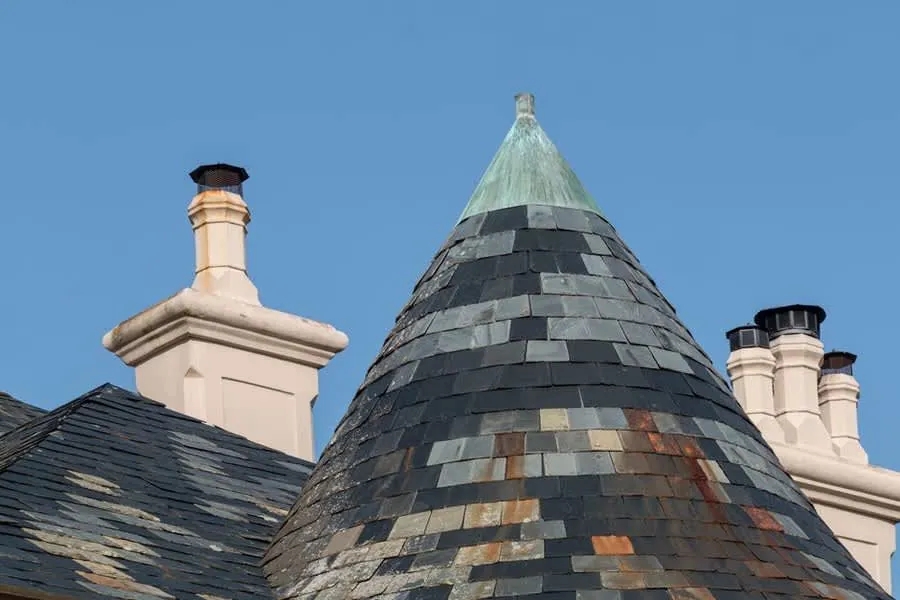
After enough of these reports you start to see the same five things.
Nail fatigue leads by a distance. Southport’s Victorian and Edwardian housing was slated with iron nails, and salt-laden air off the Irish Sea has been working on them for a century and more. The slate itself is often perfectly serviceable - Welsh slate will do two hundred years - but the fixings corrode away and slates start to slide. The tell is a scatter of slipped slates in no obvious pattern, sometimes with two or three replaced at random by a previous owner.
Cement fillets come second. Somebody, at some point, filled the joint between a chimney and the roof with sand-and-cement instead of dressing in lead. It works for a few years, then it cracks, and it is one of the commonest causes of the damp patch on a bedroom ceiling.
Then the flat roof over the rear addition, which on a period Southport terrace is often three-layer felt of unknown age, ponding gently at the back. Then gutters - and here the local factor is sand, blown off the dunes at Birkdale and Ainsdale and settled into every gutter run in town. Then hip and ridge fixings on the exposed western elevations, where the wind arrives off the sea with nothing to slow it.
Whether that list adds up to a repair or a re-roof is the real question, and it is worth reading our guide to telling a roof that needs mending from one that needs replacing before you decide which conversation you are having.
Getting a number the seller will argue with
The survey will not price anything. It is not permitted to - the report states plainly that it does not report on the cost of work to put right defects, nor recommend how repairs should be carried out. That is a deliberate boundary between surveying and contracting, and it leaves buyers holding a problem with no price on it.
So get the roof looked at properly. A roofing contractor can put a ladder up, or a drone over, and tell you in half an hour what the surveyor spent two paragraphs being careful about. What you want back is a written quote with the scope itemised: what is being replaced, what is being left, whether scaffold is included, and what happens if the battens turn out to be worse than they look. Our roof repair cost guide for Southport sets out the typical bands so you can sanity-check what comes back.
Two quotes is better than one, and if they land within a few hundred pounds of each other you have something solid. It is worth checking the firms are members of a recognised trade body - the NFRC’s contractor directory lets you search by postcode and only lists current members.
Do this quickly. Sellers get twitchy when a survey issue goes quiet for a fortnight, and a chain does not wait politely.
How the renegotiation usually goes
Roof findings are among the few survey issues sellers tend to accept as fair grounds for a conversation, largely because the cost is easy to evidence and hard to dispute.
What does not work: sending the agent a photograph of the condition rating and asking for ten thousand off. Sellers dig in, agents brief them that surveyors always say that, and the whole thing turns adversarial.
What does work: a short note setting out the specific defect, a copy of the contractor’s itemised quote, and a specific ask. Sellers respond to specificity because it is checkable. In practice the outcome usually lands somewhere between half and the full repair figure, depending on how much of the roof is genuinely at end of life versus how much is deferred maintenance the buyer would be inheriting anyway.
One thing worth saying out loud: a rating 3 that turns out to be nail fatigue across a whole slate roof is a re-roof, and on a large Southport villa that is a five-figure job. That is a legitimate reason to renegotiate hard, or to walk. A rating 3 that turns out to be four slipped slates and a chimney flashing is a few hundred pounds, and using it to demand thousands will simply annoy everybody.
If you buy it anyway: the first twelve months
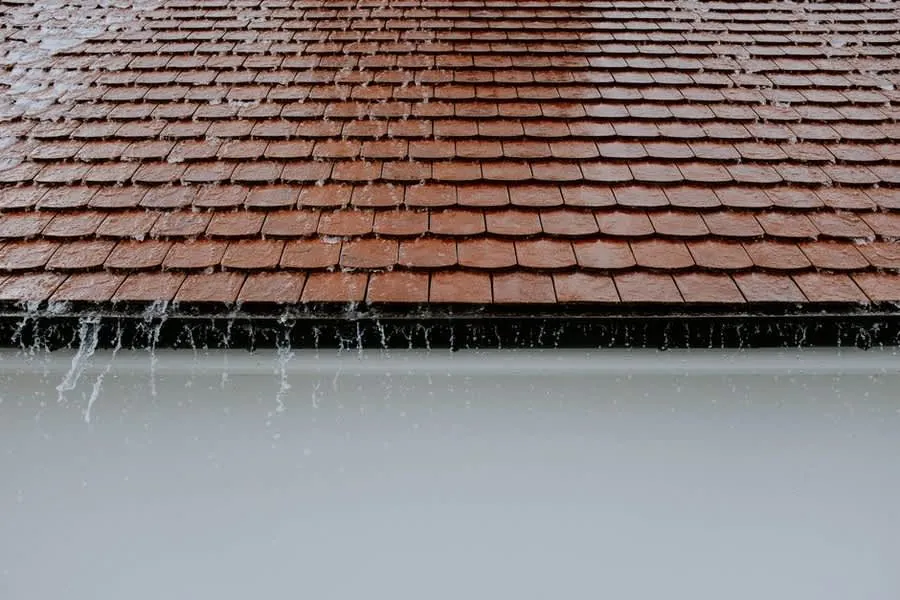
Most people buy the house. Roofs rarely kill a sale outright; they adjust the price and then get forgotten about, which is the real risk.
Do three things in the first year. Get the gutters cleared before the first autumn - on this coast that means sand as well as leaves, and a silted gutter running behind a rendered wall will cause more damage over a winter than the slipped slate you negotiated over. Go into the loft after the first proper westerly gale and look at the underside of the covering with a torch, in daylight, so you can see any daylight coming through. And deal with the cement fillet, if the survey found one, before it cracks rather than after.
Then park it. A slate roof with fresh fixings and sound flashings is one of the lowest-maintenance things you will ever own, and the anxiety a condition rating 3 produces is almost always out of proportion to what the roof actually needs.
If your survey has flagged something and you would like a straight answer rather than another paragraph of caution, we will go up and look.
Frequently Asked Questions
What does a condition rating 3 on the roof actually mean?
In the RICS wording, a rating 3 element has defects that are serious and/or need to be repaired, replaced or investigated urgently. Note the 'and/or', and note 'investigated'. A great many roof 3s are not a verdict that the roof has failed - they are the surveyor saying they could not see enough from the ground to rule out a serious problem, and that somebody who can get up there should look. A rating 2 is the milder version: needs repairing or replacing, but not serious or urgent.
Why does the surveyor not go on the roof?
Because the standard service does not include it. A RICS Home Survey inspects roofs, chimneys and outside surfaces from ground level, from neighbouring public property where useful, and with binoculars, plus the roof structure from inside the loft where there is safe access. Nobody climbs. On a three-storey Victorian house set back behind a garden, that is a long way from the ridge, and the honest response to what cannot be seen is a rating 3 with a recommendation for further investigation.
Will the survey tell me what the roof repairs will cost?
No, and it is not allowed to. The RICS report explicitly does not report on the cost of work to put right defects, or recommend how repairs should be carried out. That gap is exactly where buyers get stuck. You need a roofing contractor to inspect and quote before you have anything to take back to the estate agent.
What do Southport surveys flag most often?
Nail fatigue on Victorian and Edwardian slate is the big one - the slates are sound but the fixings have corroded, so they slip. After that: cement fillets used instead of lead flashings at chimneys and abutments, ponding and blistering on the flat roof over a rear addition, gutters silted with blown sand off the dunes, and rusted or missing clips on hip and ridge tiles on the exposed western side of town.
Can I renegotiate the price after a bad roof report?
You can, and roof findings are one of the few things sellers generally accept as legitimate grounds. What works is a written quote from a roofing contractor with the scope itemised, not a survey extract and a round number. A seller can argue with a surveyor's caution; it is much harder to argue with two priced quotes that agree. Expect to land somewhere between half and all of the repair figure.
Free Roof Survey & Quote
Free roof survey and a fixed written quote, anywhere across Southport, Sefton and West Lancashire.