
27 August 2026
Sand, Salt And Gulls: When Southport Guttering And Fascias Are Worth Replacing
Rainwater goods wear out faster on the Sefton coast than they do inland. How to tell clearing from repairing from replacing, what it costs, and what a quote should say.
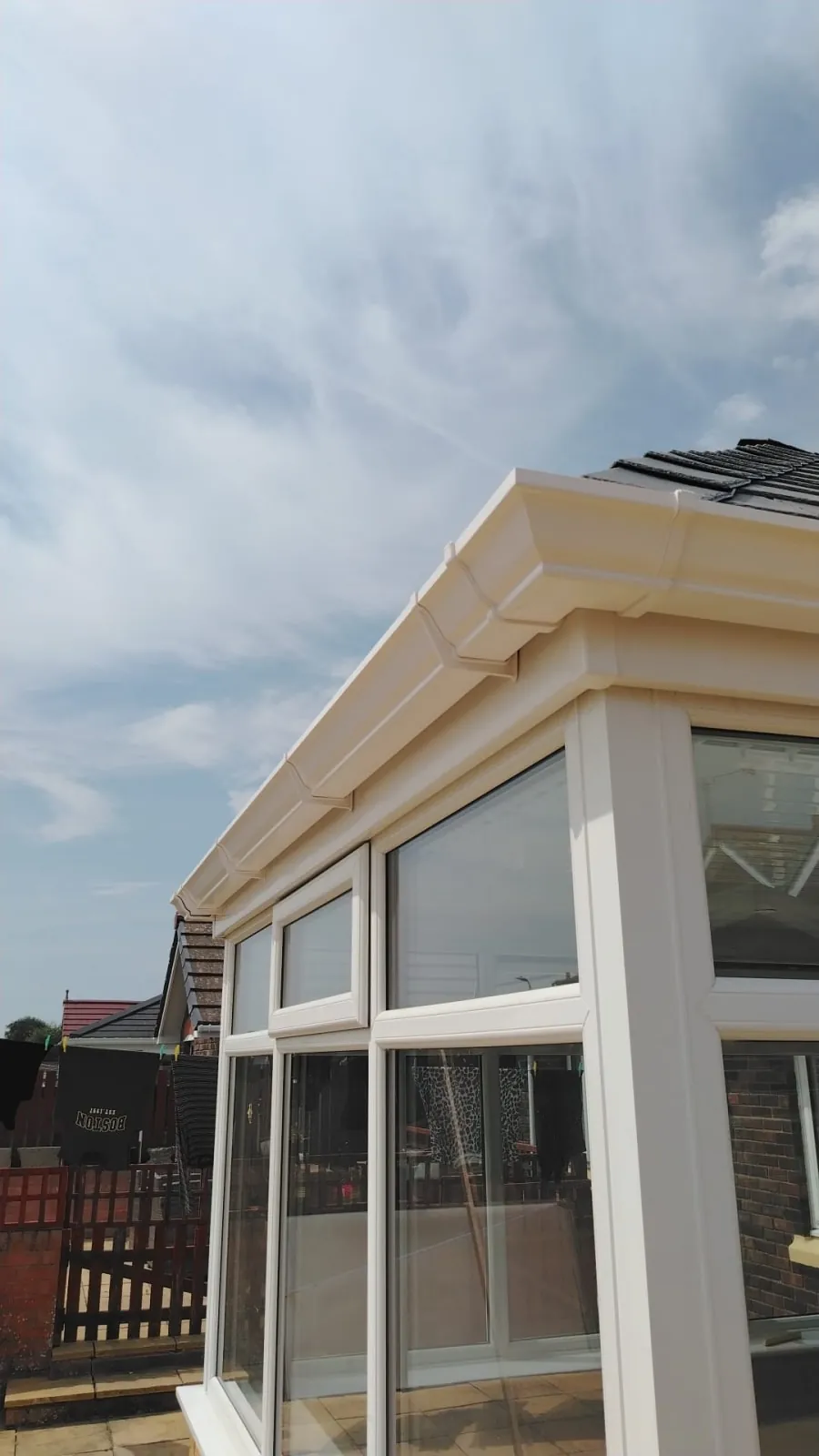
Nobody in Southport rings a roofer about their gutters. They ring about a damp patch spreading across a bedroom wall, or a green stripe down the render, or a rotten bit of window frame - and the gutter turns out to be why. Rainwater goods are the cheapest components on a building and the ones that quietly cause the most expensive damage.
They also wear out faster here than twenty miles inland. Southport sits behind one of the largest dune systems in England, a belt that runs the best part of seventeen miles from Crosby up past Ainsdale. It takes the prevailing westerly straight off the Irish Sea. And it has a large, settled herring gull population that regards a box gutter as prime real estate. Three separate forces working on the same hundred metres of plastic and board, none of which the manufacturer had in mind.
Here is how to tell guttering that needs clearing from guttering that needs a bracket from guttering that has genuinely run out - and what the replacement should cost when it has.
The three things quietly eating your rainwater goods
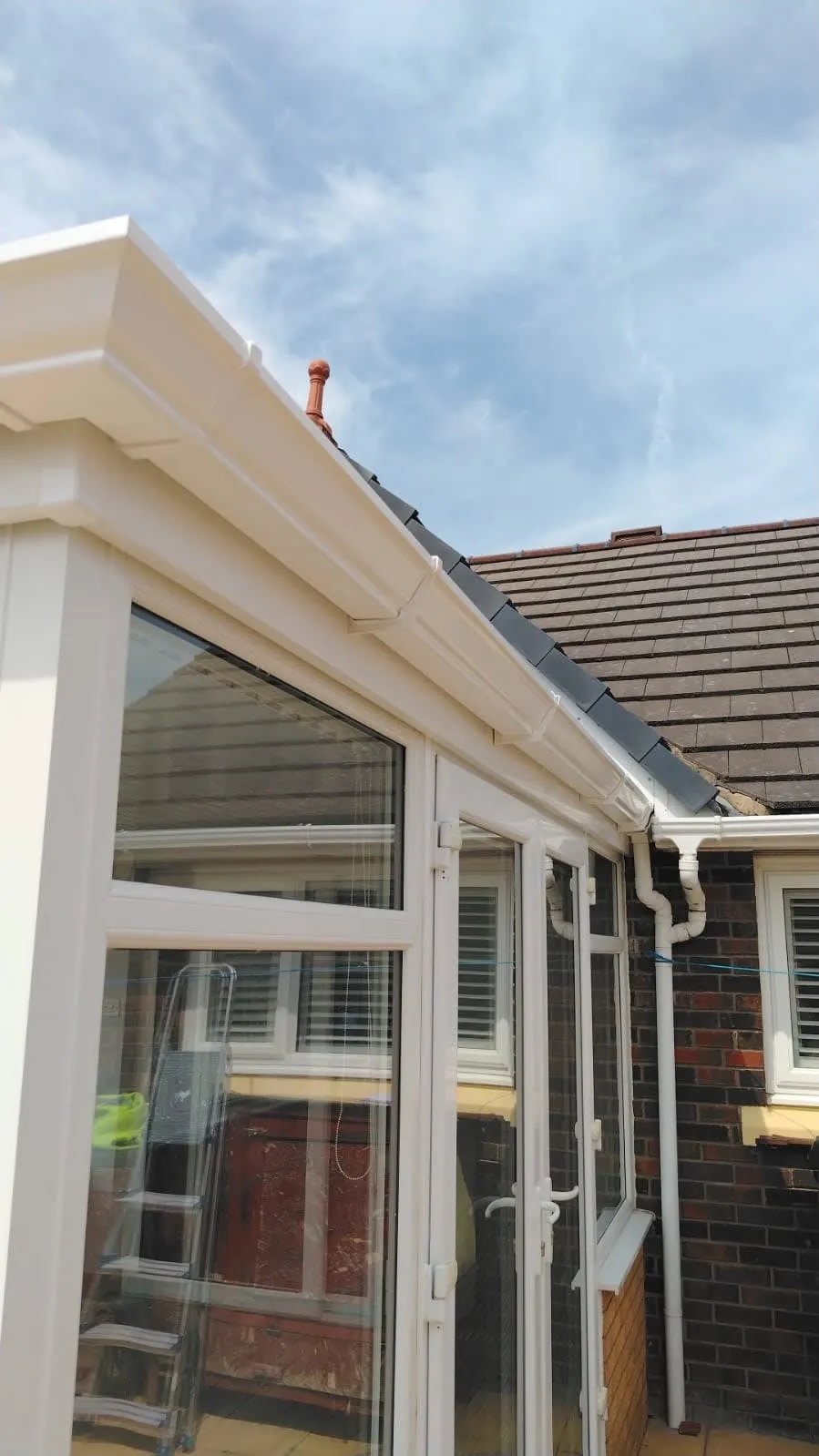
A PVC gutter system fitted properly in 2005 should still be doing its job now. Manufacturers talk about a working life of thirty years or more for the extrusion itself, and inland that is roughly what happens. On this coast the failure almost never starts with the gutter. It starts with something attached to it.
The three culprits, in the order they tend to bite: sand that never lets the system run dry, salt that eats the fixings while leaving the plastic looking fine, and birds that treat the whole assembly as nesting material and a perch. Add the sheer exposure of a west-facing elevation between Birkdale and Ainsdale and you get systems reaching the end of their useful life at fifteen to twenty years rather than thirty.
That matters commercially, because the repair-or-replace decision is completely different depending on which of the three has got you. Two of them are fixable for a couple of hundred pounds. One of them is not. Our page on guttering and rainwater systems sets out what we actually do on site, but the diagnosis below is the part worth understanding before anyone quotes you.
Sand is the one nobody plans for
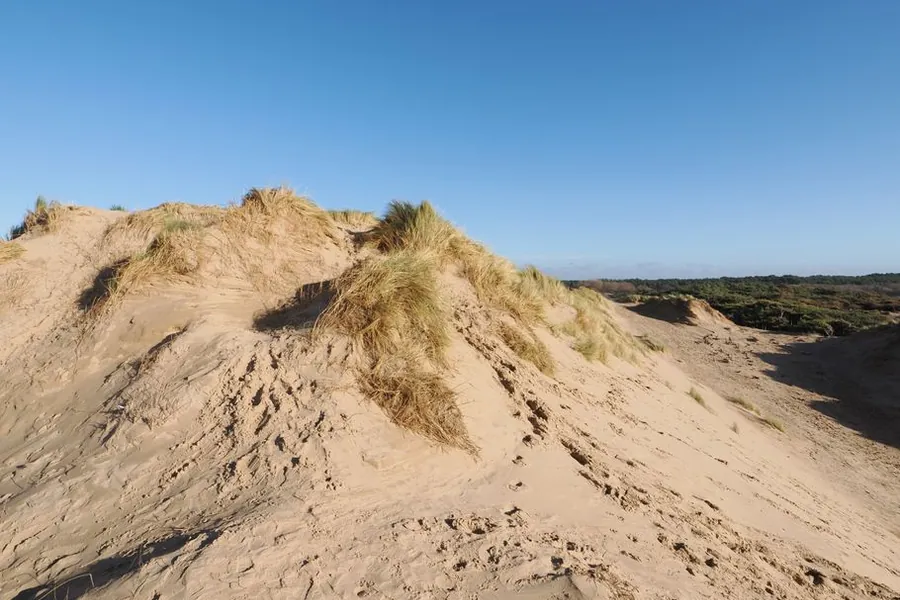
Ask a homeowner in Ainsdale why their gutters silt up and they will usually say “there are no trees, so they don’t”. Then they get a ladder out in March and find two centimetres of grey grit sitting in the bottom of the run.
Wind-blown sand off the dune system does not behave like leaf litter. Leaves rot down, wash through and mostly clear themselves in a heavy autumn downpour. Sand does the opposite. It settles into a dense, damp bed that holds a permanent film of water along the back edge of the gutter, exactly where the gutter meets the fascia board. That is how a fascia rots from behind while looking perfectly sound from the pavement.
It also gets into the joints. Every union bracket in a PVC system relies on a rubber seal compressed against a smooth surface. Grit in that seal acts as a slow abrasive, and a joint that starts weeping in year twelve was usually being sanded from the inside since year six. The annual clear-out matters more here than almost anywhere - we set out a full seasonal routine in our guide to what a Sefton coast roof needs every year - but once the joints have gone gritty and the board behind is soft, clearing is no longer the answer.
Salt goes for the brackets, not the plastic

This is the failure people misread most often, because the visible part still looks acceptable.
PVC does not corrode. Salt-laden air off the Irish Sea does very little to the gutter itself beyond fading the colour. What it does attack is every piece of metal in the assembly: the screws holding the brackets, the nails in the old fascia, the bracket arms on a cast iron system, and the hidden fixings behind a downpipe clip. A screw that has lost half its shank to corrosion still holds a gutter up in still weather. It does not hold it up in a January gale.
The tell is a run that has dropped in the middle, or a section that has pulled forward at the top so rainwater sheets down the wall behind it rather than into the gutter. Homeowners see the sag and assume the gutter has warped. Nine times out of ten the gutter is straight and the fixings have let go.
If the fascia board underneath is still sound, this is a genuinely cheap fix - re-bracket the run at closer centres with stainless or polymer fixings and re-set the falls. If the board has gone, no new fixing will hold, and you are into replacement whether the gutter itself has any life left or not.
Gulls, and why you cannot simply clear the nest
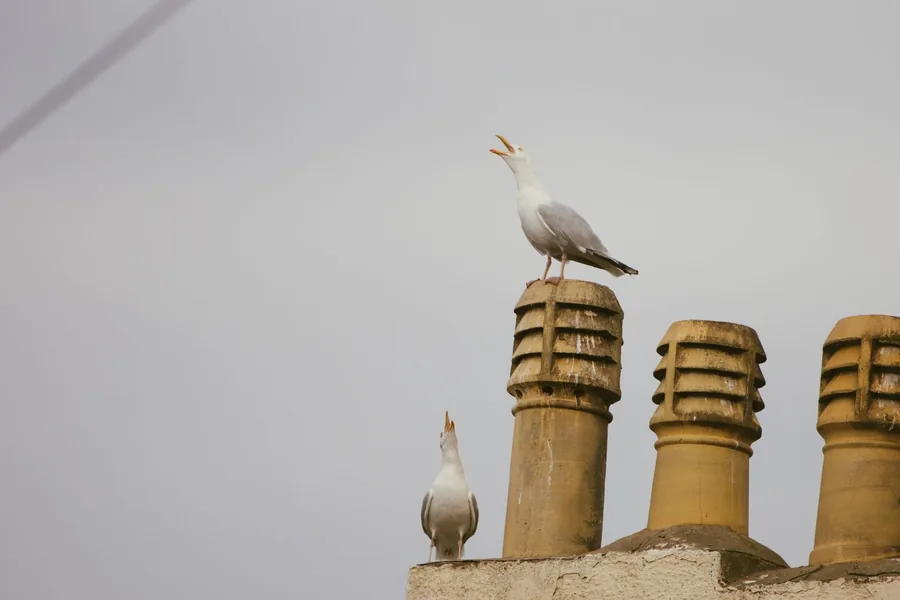
Southport’s herring gulls are not passing visitors. They are resident, they nest on roofs, and a box gutter behind a parapet is close to the ideal site from their point of view: flat, sheltered, out of reach of anything on the ground.
The material they bring up is the problem more than the birds. A single nest can put several kilos of dried grass, feathers and general dune debris into a gutter or a valley, and it does not wash away. It dams. On a parapet or box gutter with a single outlet, one nest can back water up behind it and put it straight through the ceiling below - which is why gull damage tends to present in June as an internal leak rather than as anything visible from outside.
What you cannot do is deal with it while the nest is active. Gulls and their nests are protected under the Wildlife and Countryside Act 1981, and as the RSPB’s guidance on roof-nesting gulls makes clear, mess and noise are not legally sufficient reasons for removal. The workable approach is seasonal: leave it, clear thoroughly once the birds have finished and moved on, then proof the site - spikes or wire on the ridge and the stack, a gutter guard on the box gutter - well before the pairs come back in early spring.
Cast iron on the conservation-area streets
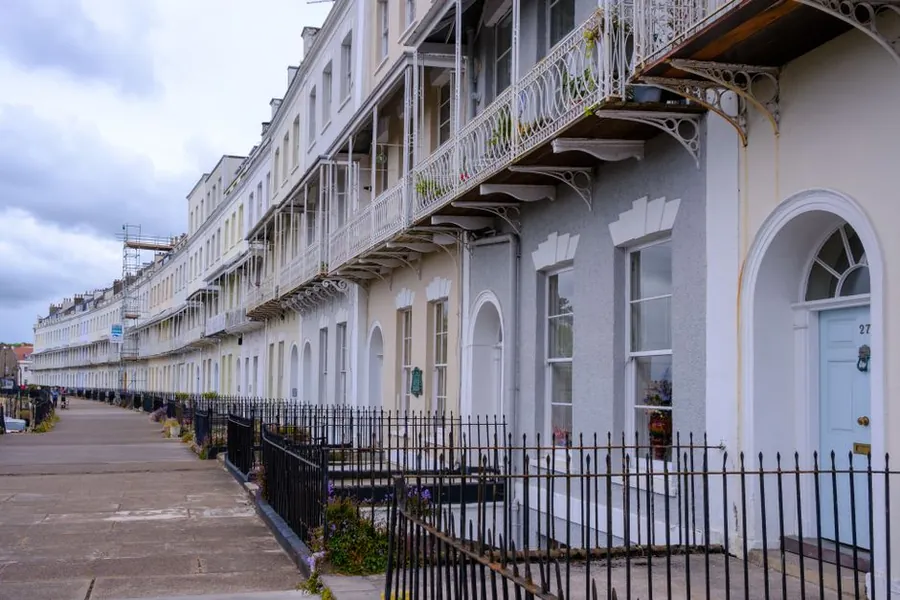
Plenty of Southport’s older stock still carries its original cast iron, and the default instinct - rip it off, put plastic up, done in a day - is wrong on two counts.
The first is that well-maintained cast iron outlasts anything you would replace it with. It is not unusual to find hundred-year-old ogee gutter on a Birkdale Park villa that needs nothing more than the joints raking out and re-bedding, and a proper paint job. Failure in cast iron is almost always at the joints and the fixings, not the metal. The second is that it may not be your decision alone.
Sefton has twenty-five conservation areas, several of them in Southport - Lord Street, the Promenade, West Birkdale, North Meols at Churchtown - and Sefton Council’s conservation area pages are the place to check what applies to your street. On a listed building, swapping cast iron for PVC is an alteration affecting character and needs listed building consent. Article 4 directions - which remove the usual permitted development freedoms - apply only at Moor Park and Sefton Village in this borough, so most Southport conservation area householders retain more latitude than they assume. That is not a licence to do whatever you like on a Lord Street frontage, but it does mean the answer is worth checking rather than guessing.
What replacing them actually involves
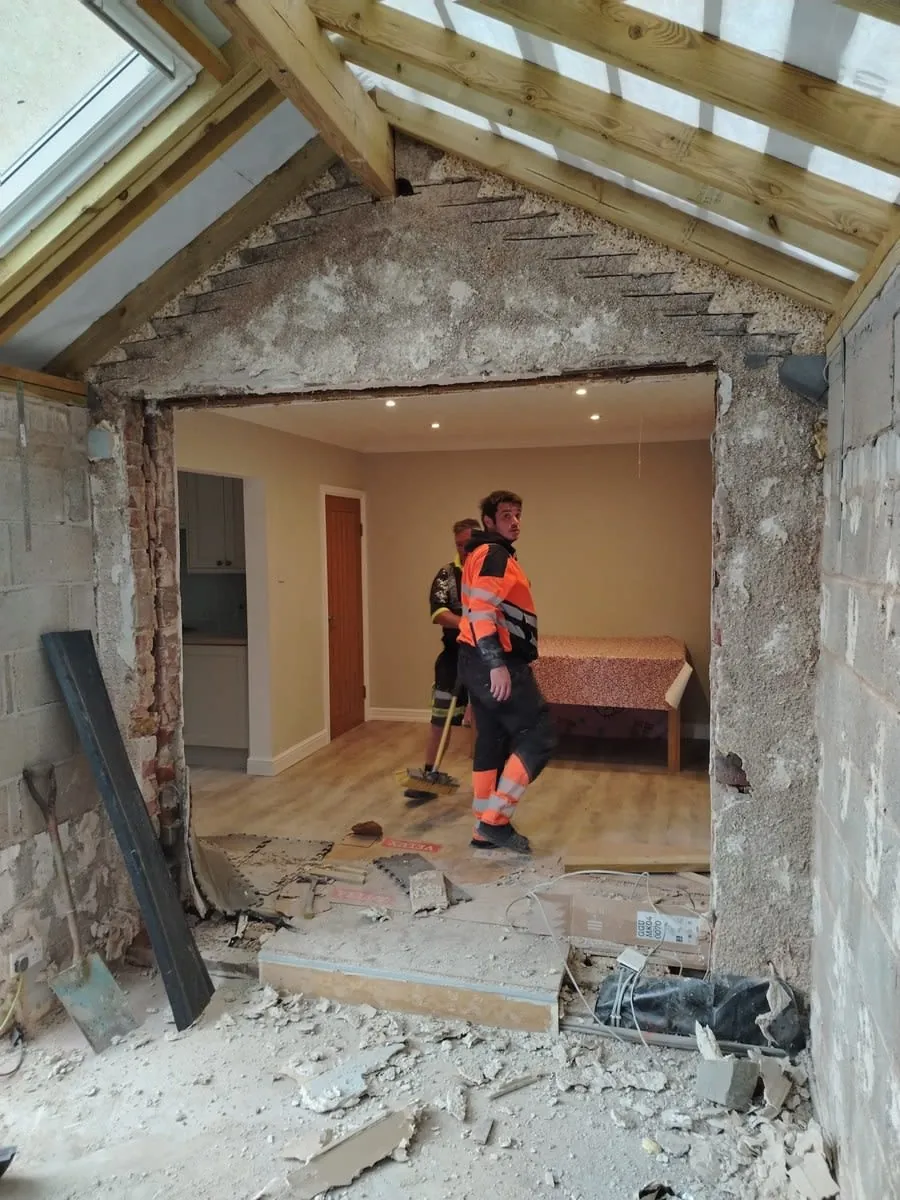
A full replacement is not just unclipping the old and clipping on the new. Done properly it goes: strip the gutter, strip the old fascia and soffit, expose the rafter feet and inspect them, cut back and splice any rafter ends that have gone soft, fit new fascia and soffit with the ventilation provision designed in, dress the roofing felt into the gutter so water cannot run behind it, then hang the new system to a consistent fall.
The felt and the ventilation are the two details cheap operators skip, and both cost you later. Take the felt first. If the existing underlay has perished at the eaves and nobody fits an eaves protector tray, water tracking down the felt drips onto the back of the new fascia and you are in the same position in six years. Ventilation is the other. The eaves gap is what feeds air into a cold loft, and the requirements are set out in Approved Document F of the Building Regulations. Board over it with a solid soffit and no vents, and you have swapped a gutter problem for a condensation problem - wet felt, damp insulation, and mould on the loft side of the ceiling by the following February.
There is also the “capping over” question. Some firms will offer to clad the existing timber fascia in a UPVC capping board rather than replace it. On sound timber that is a legitimate, cheaper option. On timber that has been sitting behind a sand-silted gutter for a decade it seals wet wood inside plastic, and it is the reason a lot of ten-year-old fascia work in this town is failing quietly right now.
What a quote should tell you before you sign it

Prices vary more than homeowners expect, and almost all of the variation is access rather than materials. As a rough guide for Southport in 2026: a single front elevation on a mid-terrace generally runs £600 to £950; a three-bedroom semi, all elevations, £1,400 to £2,600; a large Victorian villa with three storeys and complex hips can pass £4,000 once a proper scaffold is on it. Re-bracketing and re-setting an existing sound run is usually £180 to £400.
Four things a written quote should state plainly, and which separate a real price from a number on the back of a card:
Whether the fascia is being replaced or capped, and if capped, what condition the timber underneath was found to be in. What ventilation the new soffit provides, in vent terms, not as “it’ll breathe”. Whether eaves protector trays are included where the felt has perished. And what access method is priced - ladders, tower or scaffold - because a quote that assumes ladder access on a house that needs a scaffold is a quote that will change.
Ask for a photograph of the rafter feet once the old board is off, too. It costs the roofer nothing and it is the only moment anyone will ever see the timber your roof sits on.
If the gutters have been overflowing all winter, or the fascia has gone soft where the downpipe meets it, get someone up there before the autumn rain arrives rather than after. Book a free roof survey in Southport and we will tell you honestly whether it is a bracket, a joint, or the whole run.
Frequently Asked Questions
How much does it cost to replace fascias, soffits and guttering in Southport?
For a standard three-bedroom semi doing all elevations, most Southport jobs land somewhere between £1,400 and £2,600 fitted, including access. A single front elevation on a mid-terrace is usually £600 to £950. The spread is mostly access and height - a two-storey bungalow eaves you can reach off a tower costs a fraction of a three-storey villa on the Promenade that needs a scaffold run. Anyone quoting without having seen the height and the ground the ladders or scaffold will stand on is guessing.
Can guttering be repaired rather than replaced?
Often, yes. A dropped run that ponds water is usually a bracket problem, not a gutter problem, and re-setting the falls costs a fraction of a replacement. Split rubber seals at the joints can be swapped individually. What cannot sensibly be repaired is UV-degraded PVC that has gone chalky and brittle, or a system where the fascia behind it has softened - because every new bracket you drive into rotten board will pull out again within a couple of winters.
Why do my gutters keep silting up when there are no trees nearby?
Wind-blown sand. The dune belt along the Sefton coast throws a fine, gritty deposit inland on a hard westerly, and it settles in gutters, valleys and flat-roof outlets. Householders in Ainsdale and Birkdale who have no overhanging trees at all still find a couple of centimetres of grey silt in the gutter by spring. It holds water against the fascia and it grinds at the joints. Trees are the inland problem; here the problem arrives on the wind.
There is a gull nesting in my gutter. Can I remove it?
Not while it is active. Herring gulls and their nests are protected under the Wildlife and Countryside Act 1981, and it is an offence to destroy an active nest or its contents. Nuisance and mess are not grounds for a licence. The legal and practical answer is to wait until the birds have finished and gone, then clear the debris and fit gull spikes or wire to the ridge, the box gutter and the chimney stack before the following March, so the pair returns to find the site unusable.
Do I need to worry about ventilation when the soffits are replaced?
Yes, and it is the single most commonly botched detail on a fascia job. The gap at the eaves is what feeds air into a cold loft. If a new soffit board is fitted without over-fascia or soffit vents, or if the old vent strip is simply boarded over, the loft stops breathing and you get condensation on the underside of the felt within a season. Ask specifically what ventilation provision the new soffit includes before the job starts.
Free Roof Survey & Quote
Free roof survey and a fixed written quote, anywhere across Southport, Sefton and West Lancashire.